
10 Warning Signs Your Roof Needs Immediate Repair or Replacement: How to Spot Urgent Roof Damage
A sound roof protects your home’s structure and comfort. Many homeowners miss early warning signs, letting small problems become larger and costlier. This article explains the urgent roof issues that need immediate attention, how to inspect them, and what repairs or replacements may cost. Spotting problems early saves time, money, and keeps your home weather‑tight.
What Are the Most Common Roof Damage Indicators to Watch For?
Spotting urgent roof damage means knowing the signs that point to repair or replacement. Watch for these three common indicators:
- Visible Leaks: Any sign of water spots on ceilings or walls indicates a potential leak that needs immediate attention.
- Damaged Shingles: Missing or cracked shingles can compromise your roof’s ability to provide insulation and protection.
- Excessive Granule Loss: Granule loss from shingles can be an early warning sign of deterioration, affecting the shingles’ effectiveness.
How Do Roof Leak Signs Reveal Underlying Problems?
Roof leaks often indicate deeper problems within the roofing system. Leaks can stem from various causes, including:
- Flashing Failures: Improperly installed or damaged flashing can lead to water intrusion around chimneys and vents.
- Shingle Damage: Missing, curling, or buckling shingles often allow water to penetrate and cause leaks.
- Clogged Gutters: Blockages can lead to water overflow, increasing the risk of leaks and water damage.
Finding the leak source quickly limits further damage and reduces repair costs.
Which Shingle Damage Signs Require Immediate Attention?
Shingle damage shortens your roof’s life and reduces protection. Homeowners should be on the lookout for:
- Curling Shingles: Shingles that are curling at the edges may indicate moisture absorption and imminent failure.
- Missing Shingles: Missing sections expose the underlying roof to potential leaks and deterioration.
- Signs of Rot: Any discoloration or soft areas on the roof may point to rot—a serious issue that necessitates immediate attention.
Address these signs promptly to avoid wider damage or an expensive replacement.
How Can You Inspect Your Roof Step-by-Step for Warning Signs?
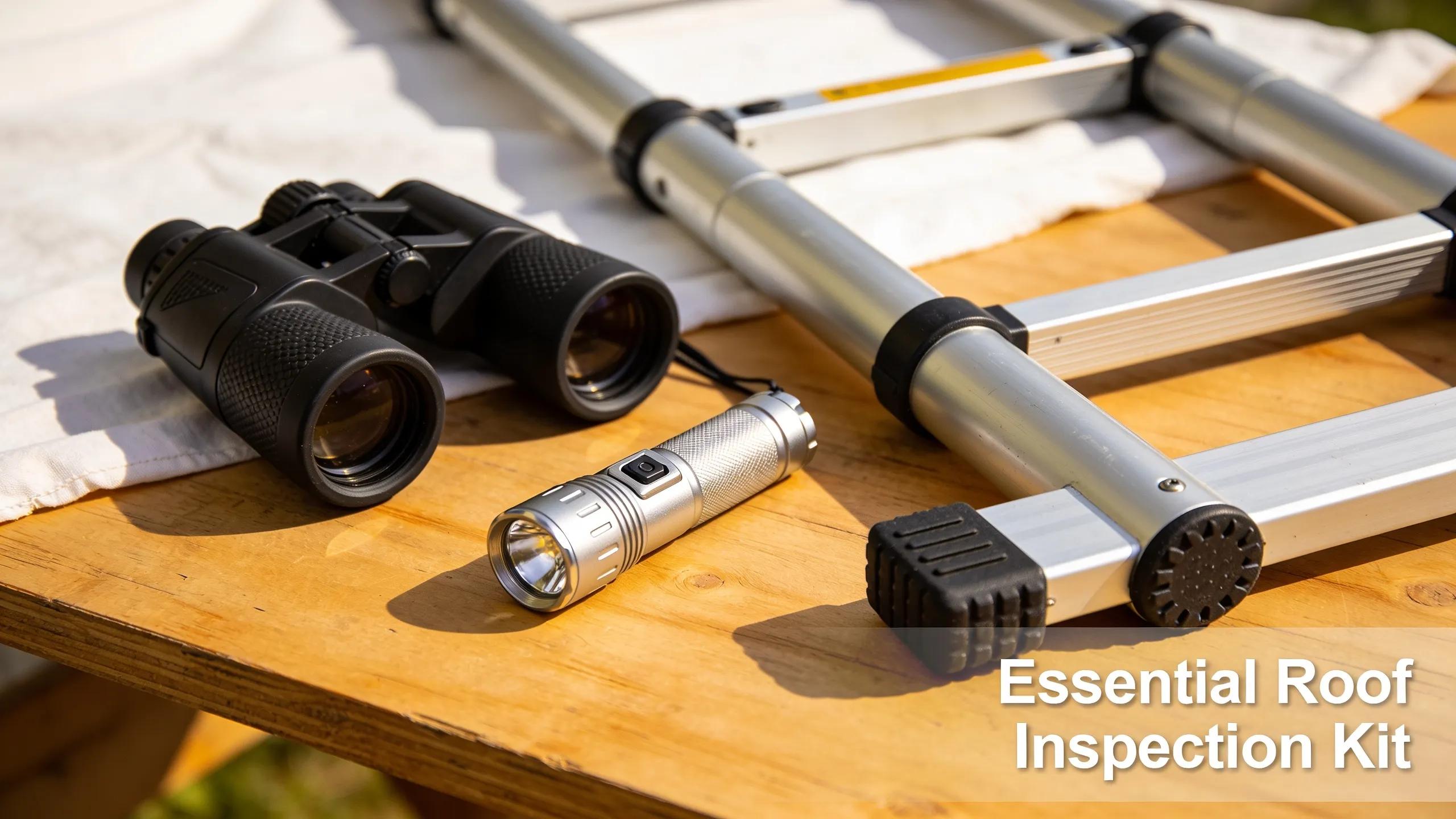
A proper inspection catches issues before they escalate. Use this step‑by‑step guide:
- Gather Necessary Tools: Essential tools include binoculars, a flashlight, and a sturdy ladder.
- Inspect Exterior Features: Look for cracked, warped, or missing shingles and check the state of flashing around chimneys and vents.
- Assess the Interior: Examine your attic for signs of leaks, such as water stains, mold, and visible daylight.
What Does a Roof Inspection Checklist Include for Damage Detection?
A complete inspection checklist should cover:
- Exterior Checks: Inspect shingles, flashing, and gutters.
- Interior Checks: Look for water damage, stains, or moisture in the attic.
- Documentation: Take notes and photos to keep a record of any issues found during the inspection.
A checklist ensures a systematic inspection so nothing is missed.
When Should You Request a Professional Roof Inspection Quote?
Some situations call for a professional inspection. Schedule one when:
- Post-Storm Evaluation: Severe weather conditions like hail or heavy rain can significantly impact roof integrity, requiring a thorough assessment afterward.
- Real Estate Transactions: A property inspection prior to purchase ensures that potential buyers are aware of any existing roof issues.
- Routine Maintenance: Having regular inspections—preferably annually—ensures that small issues can be identified and resolved before they escalate.
Scheduling these assessments protects your home investment.
When To Replace a Roof vs. When Is Repair Sufficient?
Know when to repair and when to replace. The right choice can save you significant money.
- Cost Considerations: Repairs are typically far less expensive than full replacements, making them ideal for minor issues. However, if repair costs exceed 50% of replacement costs, a full roof replacement may be the more financially sound choice.
- Lifespan Issues: If your roof is nearing the end of its useful life, investing in repairs may not be worthwhile.
- Extent of Damage: If multiple areas show significant wear, replacement may be necessary.
How to Assess Roof Repair Urgency According to Damage Severity?
Assessing the urgency of a repair involves categorizing damage levels:
- Minor Damage: Small leaks or missing shingles can often be repaired quickly without extensive intervention.
- Moderate Damage: Damage affecting larger areas may require more substantial repairs and should be addressed promptly.
- Severe Damage: Compromised structural integrity due to more extensive issues may necessitate immediate action and potential total roof replacement.
These classifications help you prioritise maintenance tasks.
What Factors Determine the Need for Full Roof Replacement?
Several key factors can influence whether a full roof replacement is necessary, including:
- Material Age: Roofs exceeding 20-25 years often require consideration for replacement, depending on material quality and local conditions.
- Previous Repairs: A history of multiple repairs can indicate that replacement is more prudent.
- Local Climate: Geographic factors, such as extreme weather patterns, can significantly shorten the lifespan of roofing materials.
This information helps homeowners make informed upkeep decisions.
Which Roof Damage Types Stem from Weather Effects and Material Aging?
Weather and material aging cause different roof problems; awareness helps long‑term management.
How Do Storm Roof Damage Indicators Affect Repair Decisions?
After severe weather events, homeowners should inspect for:
- Missing or Damaged Shingles: The visibility of shingles after a storm may suggest the need for replacements.
- Gutter Blockages: Debris accumulation can compromise drainage and lead to further leaks.
- Condition of Flashing: Storm-related shifts can cause flashing to separate from the roof’s structure, requiring prompt repairs.
Catch these issues early to make repairs before they worsen.
What Is the Typical Lifespan of Roofing Materials to Know Replacement Timing?
Knowing typical lifespans helps you plan for replacement.
- Asphalt Shingles: Approximately 15 to 30 years, depending on quality and maintenance.
- Metal Roofing: Can last 40 to 70 years, offering durability and longevity.
- Tile Roofs: Generally the longest, with lifespans ranging from 50 to 100 years depending on installation and climate.
Being knowledgeable about these timeframes allows homeowners to manage their roofs effectively.
How Much Do Roof Repairs and Replacements Cost—What Are Your Financing Options?
Costs vary, so plan your budget and explore professional options such as exterior home services.
- Cost Breakdown: Average costs can include shingle replacements ranging from $100 to $1,000 depending on the extent of damage and material used.
- Financing Plans: Homeowners can explore options for loans or credit specifically designed to cover roof repairs.
- Insurance Aid: Many homeowner policies cover specific types of damage, so it’s beneficial to understand one’s coverage limits.
What Are Average Costs Associated with Common Roof Repair Signs?
This overview clarifies the financial factors to expect.
Which Financing Options Can Help Homeowners Manage Roofing Expenses?
Explore these options to ease the financial burden of roof work.
What Are the Best Practices for Maintaining Your Roof to Avoid Urgent Repairs?
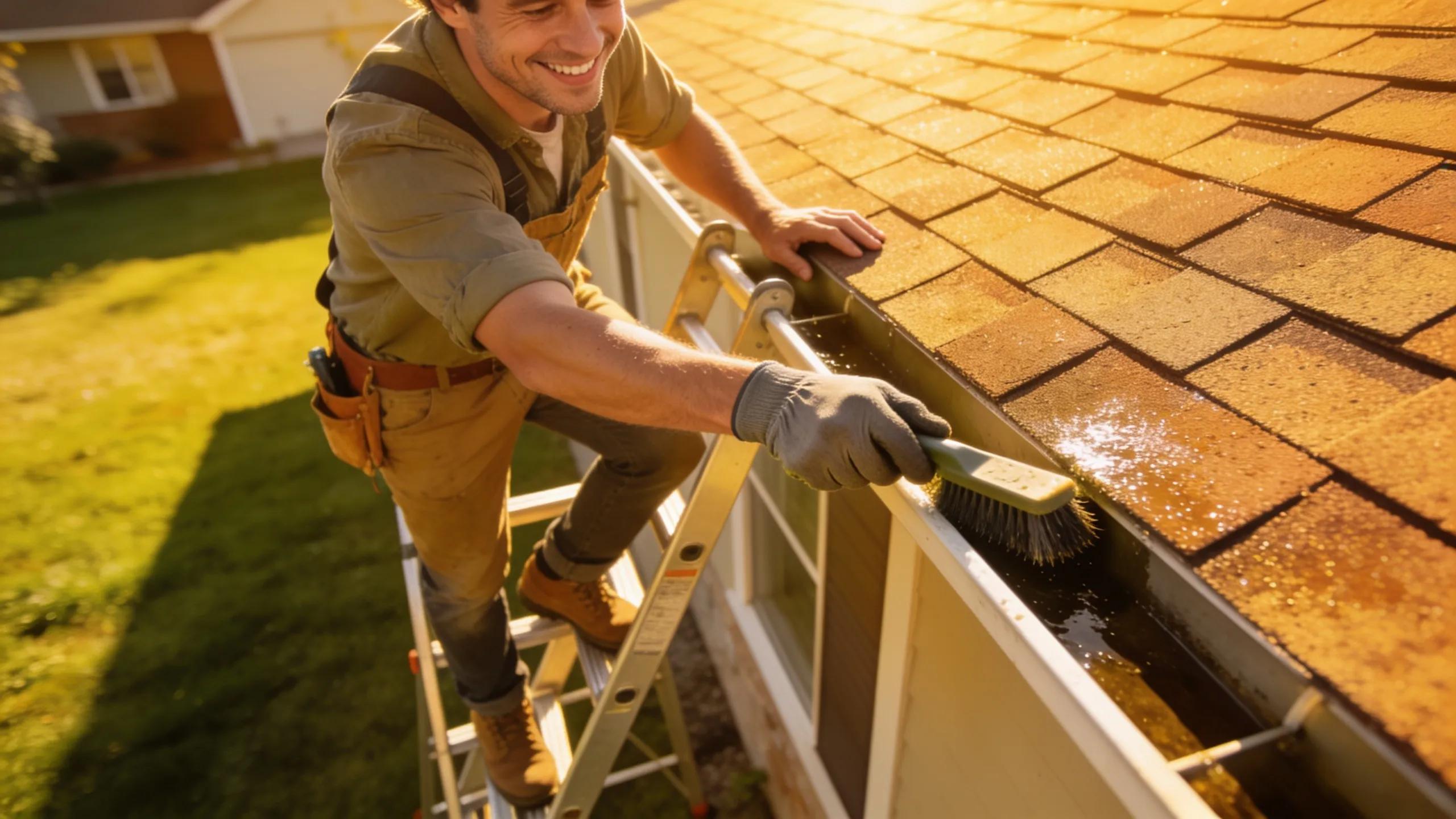
Regular maintenance extends roof life and cuts urgent repairs. Professional roofing services keep your roof in good condition.
- Regular Maintenance Schedules: Schedule annual inspections to catch small issues before they worsen.
- Cleanings: Regular gutter and debris cleaning can prevent blockages and water damage.
- Emergency Preparation: Know the steps to take in case of severe weather to minimize damage.
How Often Should Homeowners Schedule Roof Inspections?
Frequency of inspections is crucial for maintaining roof integrity:
- Annual Checks: At minimum, inspect your roof once a year to catch any necessary repair points.
- Bi-Annual Recommendations: For regions with extreme weather, consider inspecting your roof twice a year.
- Post-Storm Assessments: After severe weather, schedule an inspection to assess potential damage immediately.
Regular inspections keep maintenance proactive.
What Preventative Measures Help Extend Roof Life and Prevent Damage?
Several activities can contribute to the longevity of your roof:
- Cleaning Gutters: Prevents overflow that can lead to leaks and water damage.
- Trimming Overhanging Branches: Protects roofs from branch damage and increased debris.
- Insulating Properly: Reduces thermal shock that can cause roofing materials to expand and contract, leading to deterioration.
Add these tasks to your home routine to reduce urgent repairs.
ZBA Exteriors provides roofing, siding, and solar services, prioritizing quality installation and prompt repairs. If you spot any warning signs, contact professionals for an assessment and quote. Keeping your roof in top condition protects your home and family.
Frequently Asked Questions
How can I determine if my roof is nearing the end of its lifespan?
Age is a key factor—most asphalt shingles last 15–30 years, while metal roofs can last 40–70 years. Also look for curling shingles, heavy granule loss, and persistent leaks that are hard to manage. If multiple repairs have been made, a full replacement may be more cost‑effective. Regular inspections give the clearest picture of condition.
What should I do if I notice water stains on my ceiling?
If you see water stains, act right away—this usually means a leak. Inspect the roof for missing shingles or damaged flashing and check the attic for water entry. Then arrange a professional inspection and repair. Ignoring stains risks wider water damage and higher costs.
Can I perform roof repairs myself, or should I hire a professional?
Minor fixes like replacing a few shingles may be manageable, but hiring a professional is generally safer. Roofing work is hazardous, and professionals have the tools and experience to perform repairs correctly and spot hidden issues. When unsure, consult a licensed roofer.
How often should I review my roof’s condition?
Inspect your roof at least once a year. In areas with extreme weather, check twice yearly and always after severe storms. Regular checks catch minor issues early, extending roof life and preventing costly repairs.
What common material-related issues affect roof longevity?
Material choice and environment shape roof lifespan. Asphalt degrades from UV exposure, causing brittleness and granule loss; metal can rust without proper maintenance. Heavy rain, hail, and extreme temperatures accelerate wear. Knowing these vulnerabilities helps with maintenance and repair planning.
What financing options are available for roof repairs?
Common options include home equity loans for lower rates, personal loans for smaller projects, and manufacturer financing plans. Also check your insurance policy—some types of damage may be covered and reduce your out‑of‑pocket costs.
What preventative maintenance can I do to avoid urgent roof repairs?
Routine maintenance extends roof durability. Clean gutters regularly to prevent blockages, trim overhanging branches to limit debris and storm damage, ensure proper insulation to reduce thermal stress, and schedule annual inspections to catch issues early.
Conclusion
Spotting roof damage early protects your home’s structure and comfort. Timely inspections and repairs can prevent costly replacements and extend your roof’s lifespan. If you notice any warning signs, contact a professional for a full assessment. Protect your investment—explore our roofing services today.