
Signs Your Home Needs New Siding: Key Indicators for Homeowners to Inspect and Act On
Spotting siding problems early protects your home’s structure and curb appeal. Watch for common damage so small issues don’t become costly repairs. Damaged siding can raise energy bills by letting heat escape and can allow water in. This guide covers the signs that you may need new siding, how to tell if repairs will do, rough replacement costs, maintenance tips, and the advantages of hiring a professional siding contractor.
What Are the Most Common Signs of Damaged Siding?
When checking your exterior, focus on a few clear warning signs. Catching these early helps avoid bigger problems and higher repair bills.
- Warping: If you notice the siding panels are warped or buckling, it is often a sign of moisture damage or improper installation.
- Cracking: Visible cracks in the siding can expose the home to further water damage and should be addressed immediately.
- Rot: Check for soft spots that indicate wood rot, which can compromise the structural integrity of the siding.
- Fading and Discoloration: Color changes can signal that the materials are breaking down and may no longer be providing adequate protection.
- Mold and Mildew: The presence of mold or mildew on your siding can indicate trapped moisture and may lead to health issues.
These signs are clear prompts to inspect and act before damage spreads.
How to Identify Cracks, Rot, and Warping on Your Home Siding
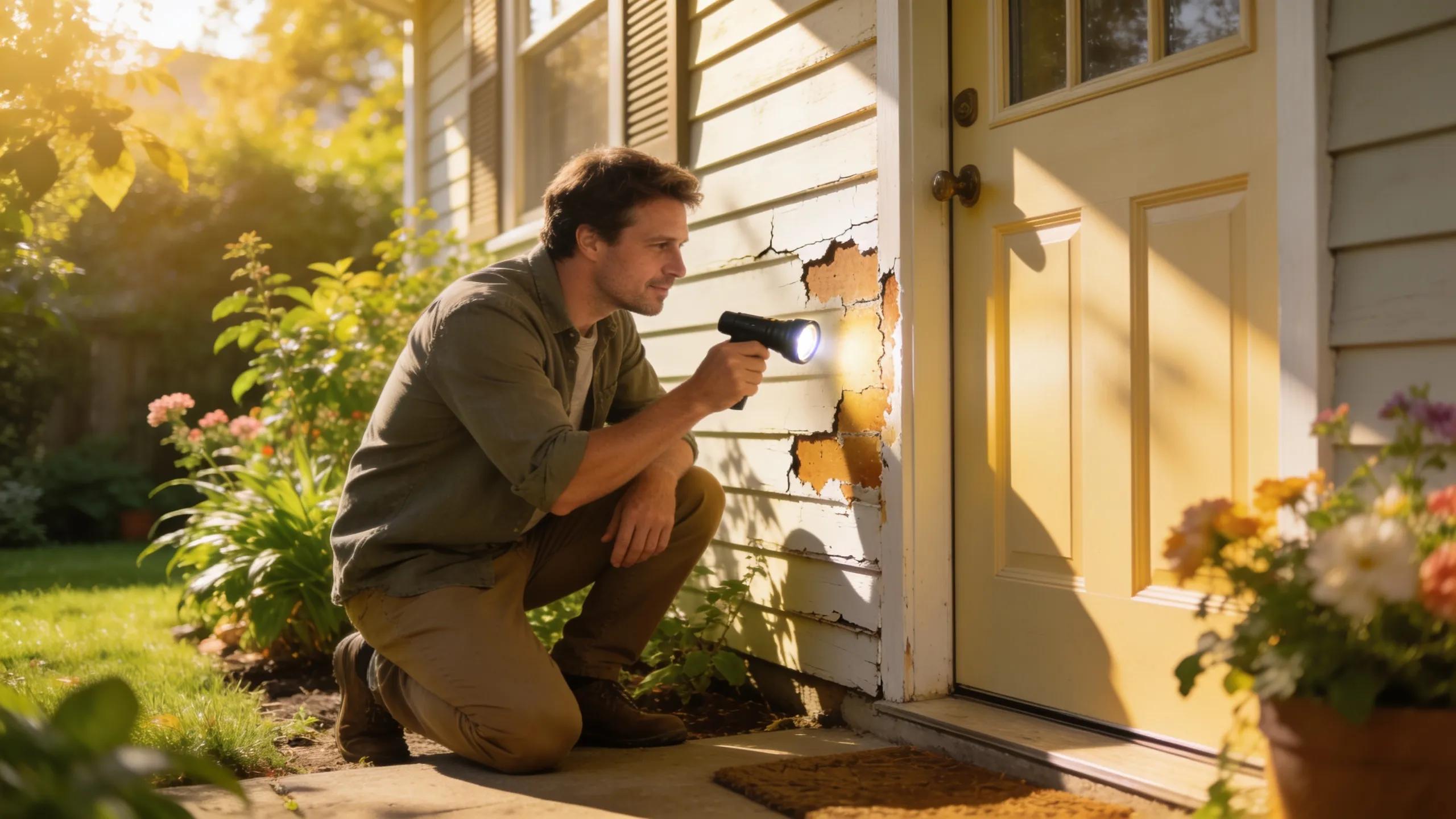
Use a flashlight and inspect closely around windows, doors and corners. The light reveals small cracks and soft spots you might miss. Check at least twice a year and after severe storms to catch problems early.
Which Weather-Related Effects Signal Siding Deterioration?
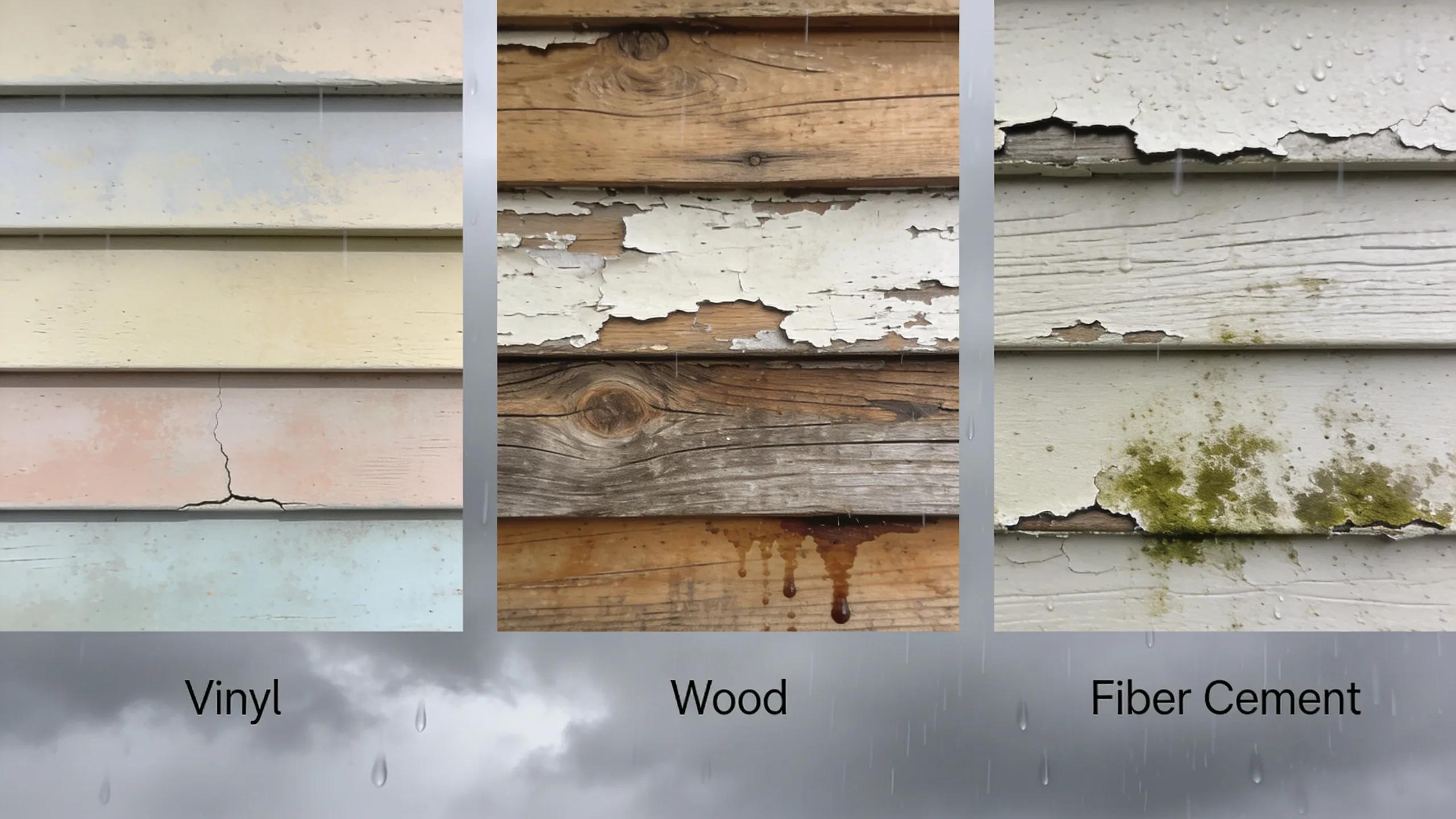
Weather shortens siding life. Heavy rain, strong sun and freezing temperatures cause peeling, swollen panels and streaking. Look for these changes and keep up regular maintenance to protect both function and appearance.
When Should You Repair vs. Replace Your Home Siding?
Decide based on damage extent, the siding’s age, and the material. Minor, isolated issues can often be repaired; widespread problems or aging materials may justify replacement.
- Extent of Damage: Minor cracks and localized rot may only require repair, while widespread issues often necessitate full replacement.
- Age of Siding: If your siding is reaching the end of its lifespan, replacement may be more cost-effective than continual repairs.
- Material Type: Different siding materials have varying durability. For example, fiber cement siding typically lasts longer than wood. Assessing the specific characteristics of your siding can help inform your decision.
What Are the Criteria for Repairing Siding Instead of Replacing It?
Repair when damage is limited to a small area—like a single cracked panel or minor warp. Vinyl and some composites are easier to patch. Balance repair costs against the remaining life of the siding before deciding.
How Does Material Type Influence Replacement Timing?
Siding lifespans differ by material. Vinyl often lasts 20–40 years; wood typically 10–30 years with upkeep. Track how your material performs to choose the right time for replacement.
What Are the Cost Considerations for Replacing House Siding?
Siding replacement is a major expense. Know the factors that affect your budget so you can plan accurately.
- Materials and Installation Costs: The cost of new siding will depend largely on the material chosen, with options ranging from budget-friendly vinyl to premium wood or fiber cement options.
- Labor: Professional installation can add to the overall cost, but it ensures the job is done correctly and to building codes.
- Removal and Disposal: If existing siding needs to be removed, disposal fees may also apply, impacting overall expense.
Material choice, labour and removal fees are the main drivers of total cost.
How Much Does New Siding Installation Typically Cost?
Costs vary by material and market. Vinyl installation typically runs $3 to $8 per sq ft including labour. Fiber cement is about $6 to $12 per sq ft; wood ranges roughly $7 to $15. Get estimates from multiple contractors to compare prices.
How Can Homeowners Maintain Siding to Extend Its Lifespan?
Regular care extends siding life. Inspect routinely and clean to stop dirt and stains from causing damage.
- Cleaning: A gentle power washing can remove grime and mildew, protecting the siding’s integrity.
- Repainting or Refinishing: Wooden siding may need to be painted or stained every few years to protect against the elements.
- Seasonal Checks: Conduct seasonal checks, especially after storms. Inspect for any damage that may have occurred and address it promptly.
Proactive maintenance helps you avoid premature replacement and costly repairs.
What Routine Care Prevents Common Siding Problems?
Follow a simple care plan: clean annually, inspect for damage every year, and keep seals and caulking intact around openings to block water.
- Regular Cleaning: Aim to wash your siding at least once a year to remove buildups that can trap moisture.
- Annual Inspections: Check for any signs of cracks, warps, or rot, addressing issues before they escalate.
- Weatherproofing: Ensure that caulking and seals around windows and doors are intact to prevent water infiltration.
Consistent care reduces the chance of common failures and keeps siding performing longer.
Which Seasonal Checks Are Essential for Siding Longevity?
Seasonal checks catch issues tied to each season. Inspect after winter for freeze damage, watch for heat warping in summer, clear gutters in fall, and ensure insulation and seals hold through winter.
- Spring: Inspect for winter damages such as stress fractures or water leaks.
- Summer: Watch for heat-related warping, particularly in vinyl siding.
- Fall: Clean gutters and downspouts to ensure proper drainage and check for mold growth.
- Winter: Ensure insulation around sidings is intact to prevent thermal loss and ice dam issues.
Regular seasonal checks let you fix small problems before they become costly repairs.
What Role Do Professional Contractors Play in Siding Repair and Replacement?
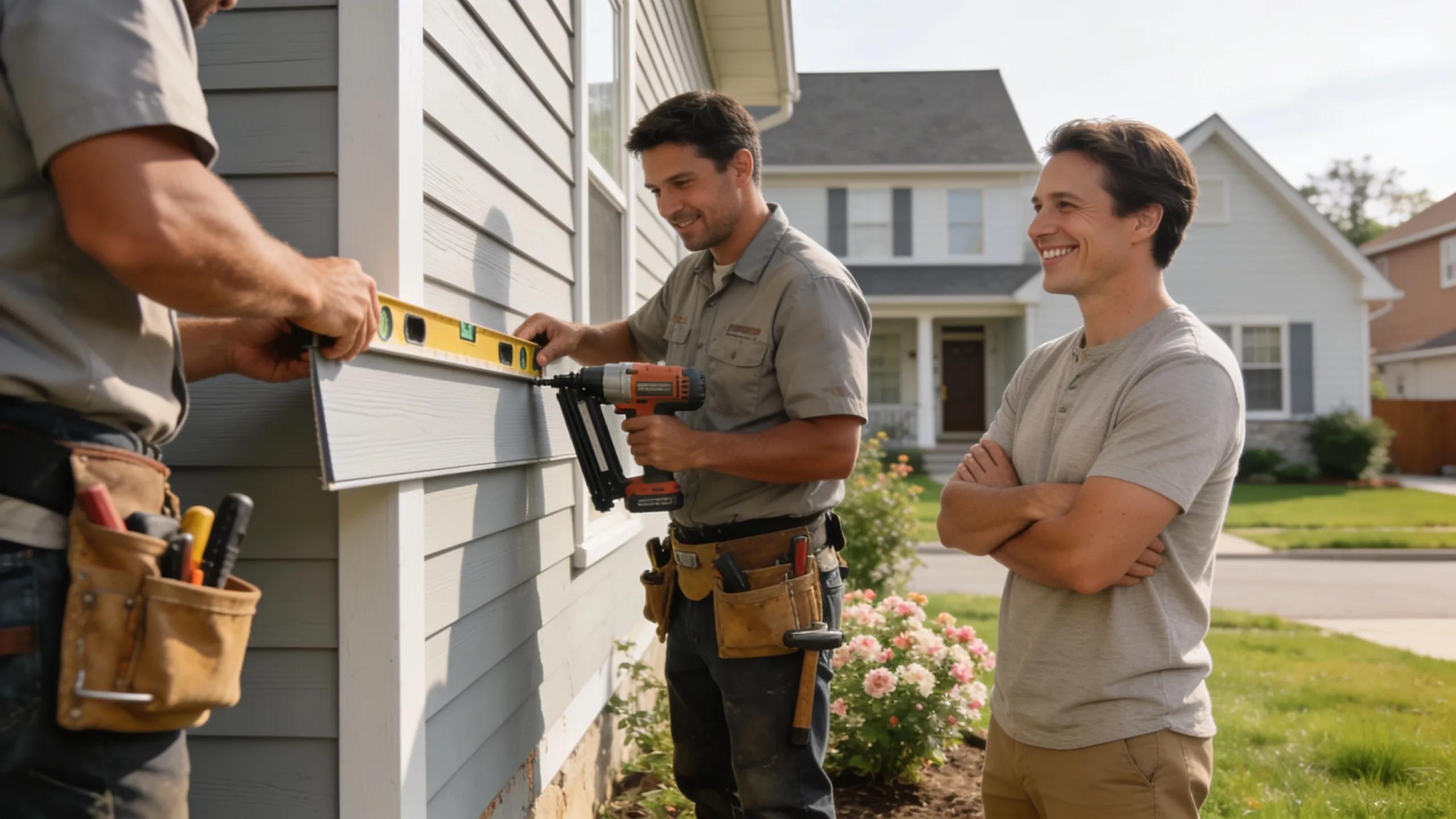
To keep your exterior in top shape, consider the professional services at ZBA Exteriors. Contractors bring experience and skills that help ensure correct repairs and installations.
- Expert Assessment: Professionals can accurately assess the condition of your siding, identifying issues that may not be obvious.
- Quality Installation: Skilled contractors adhere to local building codes and industry standards, ensuring the longevity of the installation.
- Warranty Services: Many contractors provide warranties on their work, assuring homeowners of quality and reliability.
Hiring professionals often saves money over time by avoiding improper installs and repeated fixes.
How to Choose Experienced Siding Specialists
Pick contractors with proven experience, solid reviews and clear warranty terms. Those three factors indicate reliability and quality workmanship.
- Experience and Certifications: Look for contractors with relevant experience and industry certifications.
- Customer Reviews: Research past projects and customer feedback to gauge reliability and service quality.
- Warranty Offerings: A warranty can safeguard your investment and provide peace of mind.
Choosing a reputable pro ensures the job is completed to a high standard.
What Should Homeowners Expect During the Siding Installation Process?
Knowing the steps helps you prepare. Expect an assessment, prep work to remove old siding and fix issues, installation that usually takes a few days, and a final walkthrough.
- Initial Assessment: A contractor will evaluate the current state of the siding and discuss material options and designs.
- Preparation: Necessary preparations include removing existing siding and addressing any underlying issues.
- Installation: The new siding will be installed, generally taking 2-3 days, depending on the home size and project scope.
- Final Walkthrough: After completion, the contractor should perform a final walkthrough to ensure satisfaction.
Clear expectations help the project run smoothly and add lasting value to your home.
Frequently Asked Questions
What are the signs that I should replace my siding instead of just repairing it?
Replace rather than repair when discoloration, rot or warping is widespread, when insulation performance has dropped noticeably, or when the siding is near its expected lifespan. In those cases, replacement often costs less over time than repeated fixes.
How do climate conditions impact the lifespan of my siding?
Climate affects durability: heavy rain speeds wood rot, strong sun fades and weakens vinyl, and freezing temperatures can cause cracking. Tailor your maintenance to local weather to extend siding life.
What maintenance tips can help prevent siding damage?
Maintain your siding by cleaning it annually, checking for cracks and rot seasonally, and keeping caulking intact around windows and doors. Small, regular fixes prevent major expenses later.
Are there eco-friendly siding options available?
Yes. Fiber cement is a durable, lower-impact option. Reclaimed wood and recycled aluminium reduce waste, and some vinyl products are recyclable. Look for materials with energy-saving or recycled-content ratings.
How can I ensure my siding contractor is qualified?
Verify licences, insurance and certifications. Read reviews, request examples of past work, and ask for a detailed written estimate and warranty terms before hiring.
What are the benefits of vinyl siding compared to wood siding?
Vinyl needs less maintenance, won’t rot, and usually costs less to install. Wood offers a classic look but requires regular painting or staining and more upkeep.
Conclusion
Recognising siding issues early preserves your home’s look and structure. Address cracking, warping and discoloration promptly and use professional assessments to choose the best solution. Schedule an inspection to protect your investment and boost your home’s value.