
Residential solar systems cut monthly utility bills by generating on-site electricity instead of relying solely on the grid. Homeowners gain increased property value, since solar-equipped homes attract buyers seeking lower energy costs. Battery-paired systems protect against power outages, keeping essential appliances running. ZBA Exteriors installs solar solutions built for long-term performance and durability.
What Are the Benefits of Residential Solar Systems?
Meaningful financial returns and environmental gains define the benefits of residential solar systems for most households. Homeowners who make the switch slash electric bills, shrink their carbon footprint, and often see a boost in home value. For a house that depends heavily on grid power, those savings compound month after month, turning a fixed expense into a shrinking one.
A solar installation does more than trim a monthly statement. It lowers utility bills while cutting carbon output, and it builds energy independence at the same time. During local power outages, a properly configured system can keep essential appliances running instead of leaving the household in the dark. That kind of reliability matters more each year as grid disruptions become a regular concern for homeowners.
Why is solar considered one of the most practical upgrades for a home?
Home solar energy ranks among the most effective and accessible solutions available to homeowners today. It requires no lifestyle overhaul, no major behavior change, and no sacrifice in daily comfort. Panels simply convert sunlight into usable electricity, replacing a portion — or all — of the power a home would otherwise buy from the utility company.
What results can a homeowner realistically expect?
Lower monthly bills through reduced reliance on utility-supplied electricity
Smaller carbon footprint from generating clean power at the point of use
Higher resale value as buyers increasingly favor energy-efficient homes
Backup power potential during local outages, depending on system setup
Lower monthly bills through reduced reliance on utility-supplied electricity
Smaller carbon footprint from generating clean power at the point of use
Higher resale value as buyers increasingly favor energy-efficient homes
Backup power potential during local outages, depending on system setup
ZBA Exteriors evaluates each property’s roofline, sun exposure, and energy needs before recommending a system, then coordinates installation from consultation through final inspection. The company serves homeowners with solar solutions designed to protect the investment and deliver dependable performance for years.
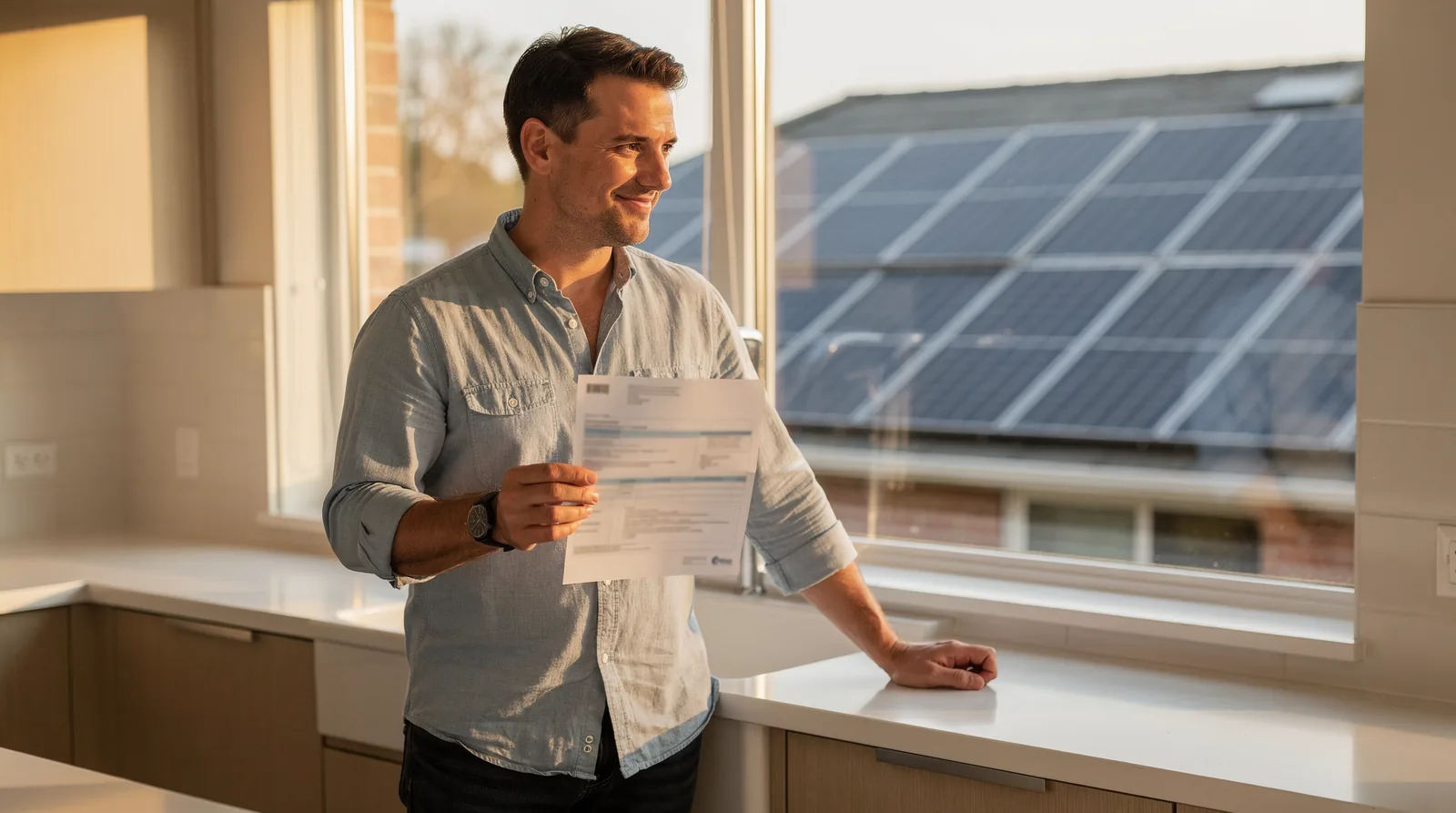
How Much Can Solar Lower Your Utility Bills?
A properly designed solar installation cuts electricity costs and shrinks a household’s environmental footprint at the same time. For many homeowners, the number on the monthly bill becomes small enough to prompt a second look, and some accounts even swing into credit territory. That shift doesn’t happen by accident; it comes from a system sized correctly for the home’s actual energy use.
The benefits of residential solar systems extend beyond the sticker on the electric bill. A well-matched setup reduces a home’s reliance on the grid, which means less exposure to rising utility rates over time. Homeowners across every neighborhood, from older colonials to newer builds, gain the same core advantage: energy generated on the roof rather than purchased from a utility company.
Does going solar really save money every month?
Savings depend on system size, roof orientation, and household energy habits, but the pattern holds across most homes. Electricity pulled from panels replaces electricity bought from the grid, dollar for dollar in many cases. Over years, those monthly reductions add up to meaningful long-term value.
Switching to solar delivers more than a smaller bill, too. Homeowners gain protection from unpredictable rate hikes, added home value, and backup power options during outages when paired with storage. The full financial picture includes:
Lower or eliminated monthly electric payments
Reduced exposure to future utility rate increases
Potential credits for excess energy production
Long-term equity gained through reduced grid dependence
Lower or eliminated monthly electric payments
Reduced exposure to future utility rate increases
Potential credits for excess energy production
Long-term equity gained through reduced grid dependence
ZBA Exteriors designs and installs solar systems for homeowners looking to convert those savings into lasting value, wherever their home is located.
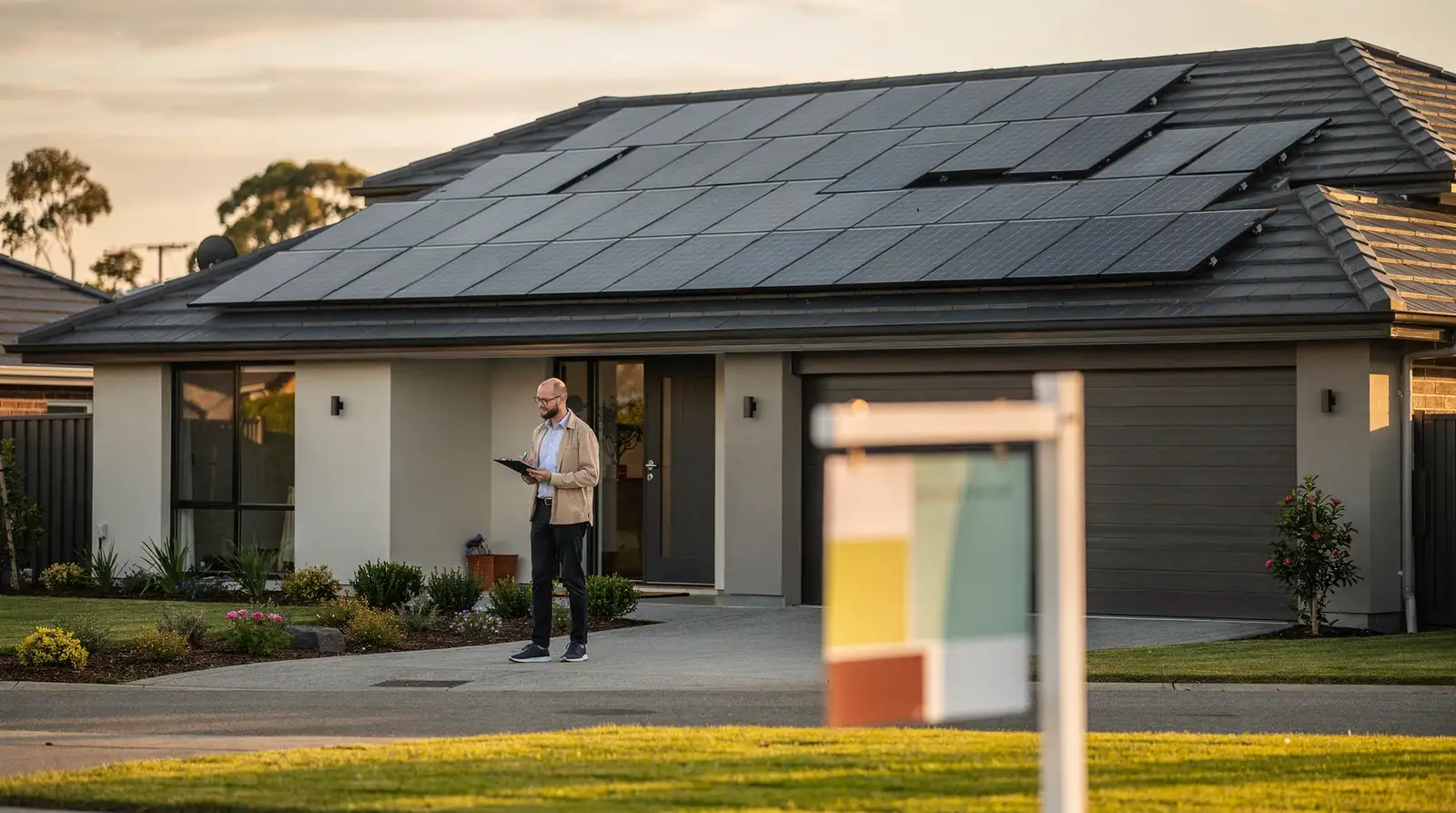
Can Solar Panels Boost Your Home’s Value?
Yes — homes equipped with solar panels frequently sell at a premium compared to homes without one. Beyond trimming monthly utility costs, a properly installed system cuts a household’s carbon footprint while adding measurable equity. Skipping solar means missing out on both savings potential and buyer appeal in an increasingly energy-conscious housing market.
The benefits of residential solar systems extend well past the electric bill. A photovoltaic (PV) setup positions a property as energy-efficient and future-ready, two qualities today’s buyers actively search for. Homeowners weighing the switch should consider the full return, not just the sticker price of installation.
Does a solar system add real resale value?
Solar panels signal lower operating costs to prospective buyers, which often translates into a stronger offer. A home producing its own electricity carries less financial risk from rising utility rates. That combination of savings and independence makes solar-equipped properties stand out on the market.
What should homeowners weigh before installing panels?
Designing the right system matters as much as the decision to go solar. ZBA Exteriors works with homeowners to size a PV system around actual energy use. Long-term value goals, not a one-size-fits-all package. Getting that sizing right avoids overspending on capacity a household doesn’t need.
Key advantages homeowners gain from a well-designed system include:
Reduced monthly electric bills
A smaller household carbon footprint
Added resale value at time of sale
Greater protection against rising utility rates
Reduced monthly electric bills
A smaller household carbon footprint
Added resale value at time of sale
Greater protection against rising utility rates
Adopting a PV system is a significant decision. It carries real trade-offs worth reviewing with a qualified installer before signing on.
How Does Solar Protect Against Power Outages?
A home solar system delivers sustainable access to electricity even when the local grid goes dark. Rooftop panels convert sunlight into usable power on-site, reducing a household’s dependence on utility infrastructure that can fail during storms, heat waves, or equipment breakdowns. This kind of energy independence stands out among the benefits of residential solar systems. It keeps essential appliances running when neighbors lose power entirely.
Traditional power grids rely on centralized plants and miles of transmission lines, any of which can fail during severe weather. A solar-equipped home generates its own electricity instead of waiting on repairs elsewhere. That shift matters most during extended outages, when refrigerators, medical equipment, and heating systems need continuous power.
Solar ownership offers several practical advantages beyond backup power:
Reduced grid reliance: Households generate clean electricity on-site, decreasing dependence on traditional power sources.
Lower monthly bills: Less reliance on the grid translates into savings on electricity costs.
Environmental benefit: Homegrown solar power avoids the pollution tied to conventional generation methods.
Reduced grid reliance: Households generate clean electricity on-site, decreasing dependence on traditional power sources.
Lower monthly bills: Less reliance on the grid translates into savings on electricity costs.
Environmental benefit: Homegrown solar power avoids the pollution tied to conventional generation methods.
Does Solar Alone Keep the Lights On During an Outage?
Solar panels generate power only while connected to a functioning system. The outage-protection benefit depends on how the home’s setup handles grid interruptions. Homeowners considering this protection should discuss configuration options with an installer before assuming automatic backup capability.
Why Does Energy Independence Matter for Homeowners?
Energy independence reduces exposure to grid failures and utility price swings alike. Families gain more predictable electricity access, rather than depending entirely on outside infrastructure that can falter without warning. ZBA Exteriors helps homeowners evaluate solar options suited to their property before installation begins.
What Environmental Impact Does Home Solar Have?
Home solar panels cut a household’s environmental footprint by tapping an energy source that never runs dry. Solar radiation reaching a rooftop is a renewable resource, meaning it can never be used up the way coal or natural gas reserves can. That single fact separates residential solar from every fossil-fuel alternative available to homeowners today.
Cleaner air follows naturally. Solar panels generate electricity without producing carbon emissions or the greenhouse gases tied to warming and declining air quality. There’s no smokestack, no combustion, no byproduct drifting into the neighborhood.
Solar also sidesteps damage that never shows up on a power bill. Extracting coal, oil, or gas requires mining and drilling that scars land and disrupts ecosystems. A solar installation on a home’s roof draws energy without any of that extraction.
Does home solar use less water than traditional power plants?
Yes. Conventional power plants rely on steam turbines that consume large volumes of water for cooling and operation. Rooftop solar systems use little to no water to generate electricity, making them a far less resource-intensive choice for homeowners concerned about regional water strains.
Together, these factors make residential solar systems one of the most practical ways homeowners reduce their environmental impact without overhauling daily routines:
Renewable energy that never depletes
Zero carbon emissions during operation
No mining or drilling damage
Minimal water consumption
Renewable energy that never depletes
Zero carbon emissions during operation
No mining or drilling damage
Minimal water consumption
ZBA Exteriors installs solar systems for homeowners looking to lower their footprint alongside their utility bills, delivering craftsmanship built for long-term performance.
FAQ
What are the main benefits of installing residential solar systems?
Residential solar systems lower monthly utility bills, shrink carbon footprints, and increase property value. Battery-paired systems also keep essential appliances running during power outages, giving homeowners energy independence and reliable backup power.
How does solar increase a home’s value?
Solar-equipped homes attract buyers se
Conclusion
In closing, residential solar systems represent a transformative investment in your home’s energy independence and long-term value. By harnessing renewable energy, you reduce reliance on traditional power sources while protecting your property against rising utility costs. The combination of environmental responsibility and financial benefit makes solar an intelligent choice for homeowners committed to sustainable living. ZBA Exteriors brings expert installation and quality craftsmanship to every solar project, ensuring your system performs reliably for years to come.