
How Can I Tell if My Siding Needs Replacement or Just Repair?
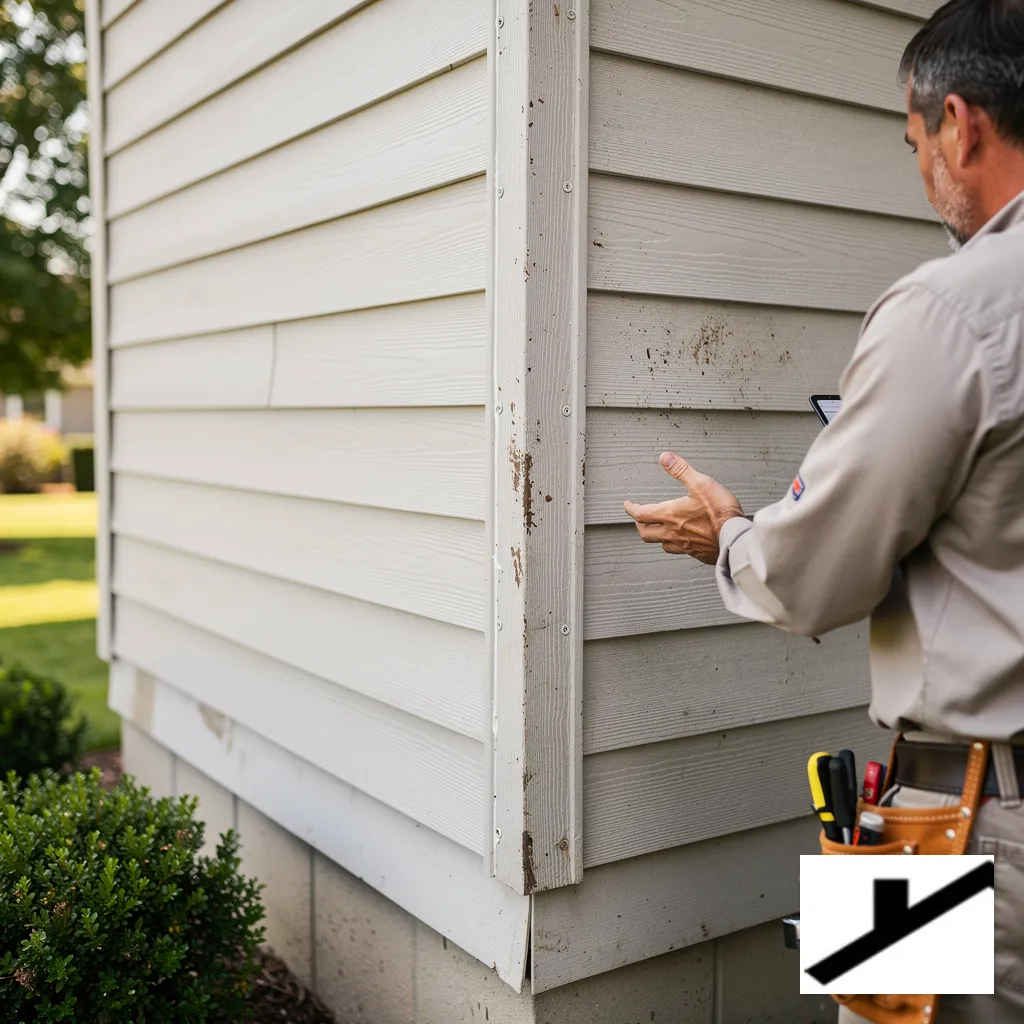
When it comes to How Can I Tell if My Siding Needs Replacement or Just Repair?, small cracks, holes, or minor warping signal a straightforward repair job. Widespread damage, rot, or panels affecting multiple wall sections point toward full replacement. Rising energy bills often mean moisture has compromised the barrier beneath the surface. ZBA Exteriors evaluates siding condition during a free project estimate before recommending repair or replacement.
Key Takeaways
Cracks and holes in siding indicate repair needs; extensive damage across multiple panels requires full replacement.
Siding protects your home from rain, wind, and weather damage while contributing to energy efficiency performance.
ZBA Exteriors serves Royersford, PA homeowners experiencing siding wear from year-round weather exposure and daily impacts.
Most homeowners ignore siding until problems appear; regular inspection prevents minor issues from becoming costly replacements.
Cracks and holes in siding indicate repair needs; extensive damage across multiple panels requires full replacement.
Siding protects your home from rain, wind, and weather damage while contributing to energy efficiency performance.
ZBA Exteriors serves Royersford, PA homeowners experiencing siding wear from year-round weather exposure and daily impacts.
Most homeowners ignore siding until problems appear; regular inspection prevents minor issues from becoming costly replacements.
What Should You Know Before Inspecting Siding?
A proper siding inspection starts with understanding what the material is protecting against. Who is qualified to judge its condition. Determining whether siding needs replacement or just repair requires more than a quick glance at the exterior. It demands knowledge of how materials fail over time. ZBA Exteriors brings more than 25 years of roofing. Exterior experience to this work, giving homeowners a trained eye for spotting the difference between a cosmetic fix and a structural problem.
Siding acts as a critical barrier against wind, rain, and pests. Any visible damage — cracking, warping, gaps — deserves prompt evaluation rather than a wait-and-see approach. Ignoring small issues invites moisture behind the panels, where it causes rot long before homeowners notice a change indoors.
Homeowners in the Royersford, PA area have a local resource for these evaluations. ZBA Exteriors operates from that base, offering assessments grounded in regional weather patterns and common material issues.
Does the inspector need to know more than siding?
Yes. Siding rarely fails in isolation. ZBA Exteriors’ complete exterior lineup — covering roofing, gutters, and windows. Means siding assessments come from a team that understands how these systems interact.
Before scheduling an inspection, homeowners should:
Note where damage appears (corners, seams, ground level).
Check for soft spots near windows or gutters.
Record how long the issue has been visible.
Note where damage appears (corners, seams, ground level).
Check for soft spots near windows or gutters.
Record how long the issue has been visible.
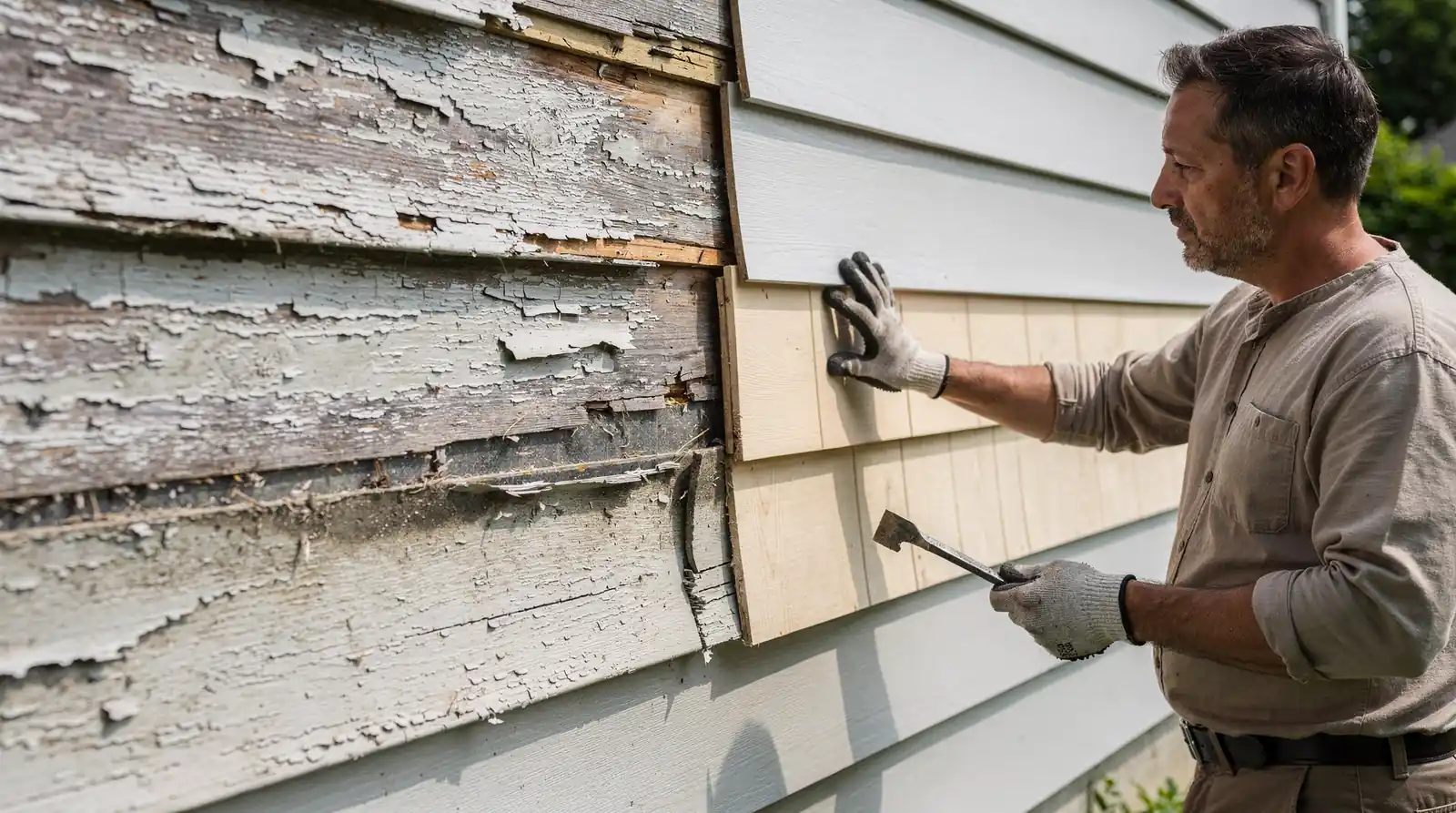
Damage severity determines the answer, not the age of the siding alone. A homeowner can settle this question by checking whether the material still shields the house from moisture and pests or whether that protective job has already failed. Durable exterior solutions exist to restore that protection — the question is whether repair still gets the job done, or whether replacement is the only path back to full performance.
Scope matters more than appearance. A single cracked panel, a couple of warped boards, or a small cluster of holes usually falls into the repair category rather than triggering a full teardown. Widespread cracking across multiple walls, siding that’s warped in several sections, or damage paired with soft, rotting sheathing underneath points toward replacement instead.
Is a professional evaluation necessary before deciding?
Yes — surface damage is deceptive, and homeowners often underestimate what’s happening beneath a warped board or cracked panel. Working with a siding professional for evaluation catches issues invisible from the ground, like trapped moisture or early rot. That assessment prevents costly guesswork and wasted repair spending on a wall that actually needs full replacement.
What does an evaluation actually check?
An evaluation should measure damage against a clear benchmark: can the current siding still protect and enhance the home, or has it stopped doing that job? Recommendations should also match the home’s specific condition rather than apply a blanket fix to every house. Consider the checklist below when reviewing a home’s exterior:
Count the damaged sections — isolated spots suggest repair.
Check for softness or rot beneath the surface, not just visible cracks.
Compare damage against how well the siding still insulates and seals the home.
Match any proposed fix to the home’s actual condition, not a generic package.
Count the damaged sections — isolated spots suggest repair.
Check for softness or rot beneath the surface, not just visible cracks.
Compare damage against how well the siding still insulates and seals the home.
Match any proposed fix to the home’s actual condition, not a generic package.
Repair remains the smarter, lower-cost move when damage stays contained. Replacement becomes the right call once protection has genuinely broken down.
What Warning Signs Mean Full Siding Replacement?
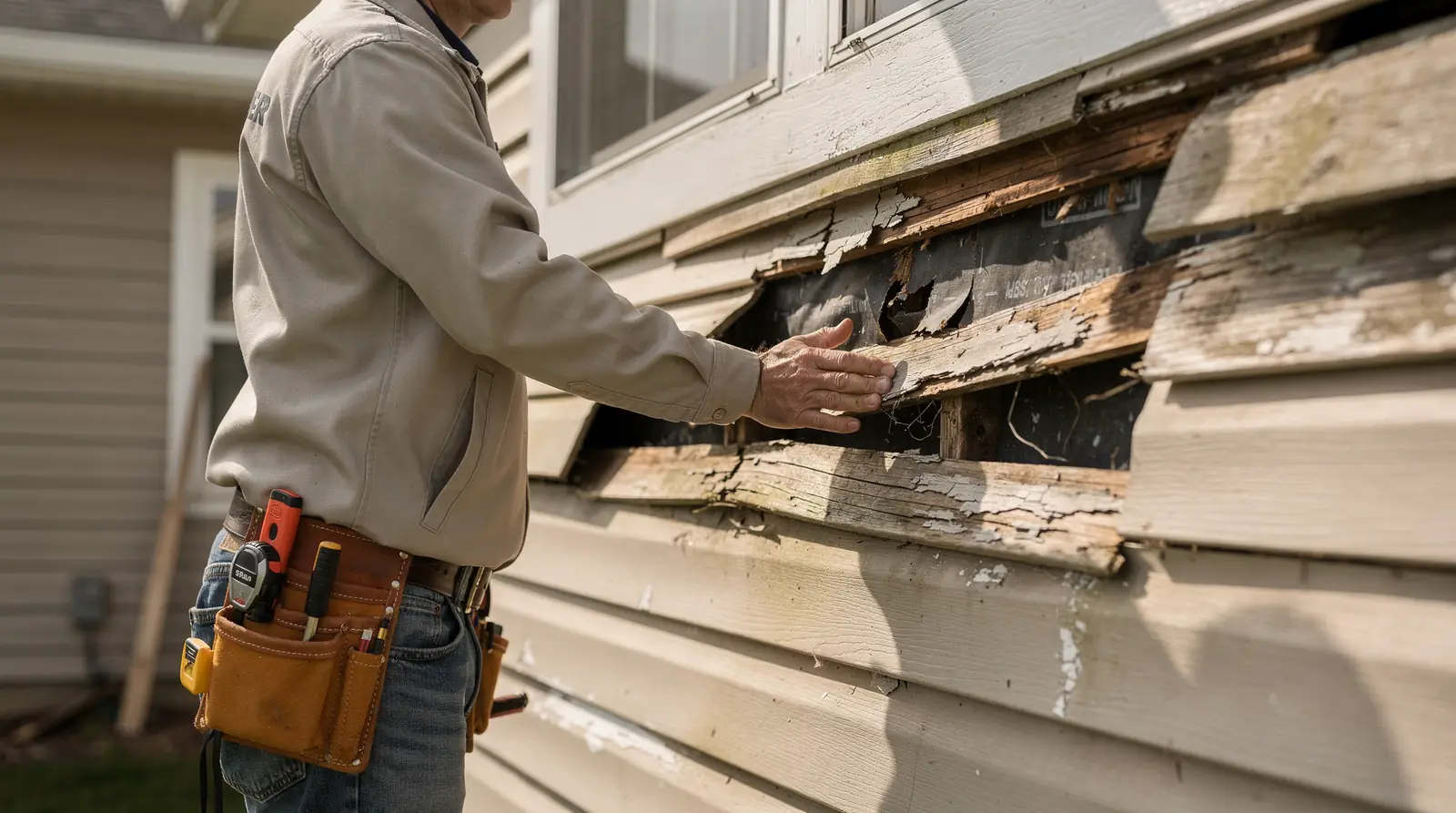
Rot, widespread warping, pest intrusion, and moisture reaching interior walls mark the point where siding replacement becomes the only responsible path forward. These four signals separate a minor patch job from a structural problem that repair simply cannot fix. Homeowners who spot them should treat the damage as urgent, not cosmetic.
Panels that look warped, cracked, or visibly rotted have already crossed a line. Once siding reaches that condition, repair is off the table because the underlying material has lost its integrity. Patching a rotted section only masks a problem that keeps spreading beneath the surface.
Checklist: Confirm the Damage Before Deciding
Press gently on suspect panels to check for softness or give, a sign of rot underneath.
Look for pest tunnels, nests, or droppings near the base of the siding.
Check interior walls near exterior damage for staining, bubbling paint, or a musty smell.
Note how many sections show warping versus a single isolated spot.
Press gently on suspect panels to check for softness or give, a sign of rot underneath.
Look for pest tunnels, nests, or droppings near the base of the siding.
Check interior walls near exterior damage for staining, bubbling paint, or a musty smell.
Note how many sections show warping versus a single isolated spot.
How Do I Know If My Siding Damage Is Widespread?
Isolated cracks or a single loose panel often qualify for repair. Damage spread across multiple walls, corners, or the full exterior signals a system-wide failure rather than a one-time defect. When more than one warning sign shows up in different areas of the home, replacement typically delivers better long-term value than repeated patch jobs.
ZBA Exteriors ties every replacement recommendation to long-term performance, not just the visible problem in front of a homeowner. Siding gets replaced once it can no longer reliably protect the structure or hold up the home’s appearance. A full replacement from ZBA Exteriors restores both protection. Curb appeal in one project, rather than leaving a mismatched patch that solves today’s issue but ignores tomorrow’s. That combined approach — performance and presentation together — is what separates a lasting fix from a temporary one.
What Steps Should You Take Before Deciding?
A clear decision starts with an honest walk around the house and a professional second opinion. Homeowners lose money in two directions: paying for repairs on siding that’s already failing, or replacing panels that only needed a patch. Following a short, deliberate process protects the budget and the home’s long-term protection.
Document the damage. Walk the exterior and photograph every crack, warp, or discolored section, noting whether the wear sits in one spot or spreads across multiple walls.
Check for hidden moisture. Press on soft-looking panels and look for staining near seams; water intrusion behind siding often signals a bigger problem than the surface shows.
Compare isolated versus widespread damage. Repair fits a single damaged panel or corner. Replacement becomes the smarter move when problems recur across several sections of the home.
Schedule a professional inspection. ZBA Exteriors, backed by more than 100 five-star Google reviews, evaluates the siding’s actual condition before recommending a path forward.
Request a matched solution. ZBA Exteriors’ professional exterior services are fitted to each home’s specific condition, which lowers the risk of loose panels or installation shortcuts that trigger early replacement.
Document the damage. Walk the exterior and photograph every crack, warp, or discolored section, noting whether the wear sits in one spot or spreads across multiple walls.
Check for hidden moisture. Press on soft-looking panels and look for staining near seams; water intrusion behind siding often signals a bigger problem than the surface shows.
Compare isolated versus widespread damage. Repair fits a single damaged panel or corner. Replacement becomes the smarter move when problems recur across several sections of the home.
Schedule a professional inspection. ZBA Exteriors, backed by more than 100 five-star Google reviews, evaluates the siding’s actual condition before recommending a path forward.
Request a matched solution. ZBA Exteriors’ professional exterior services are fitted to each home’s specific condition, which lowers the risk of loose panels or installation shortcuts that trigger early replacement.
How Do You Know if It’s Repair or Replacement?
Isolated cracking, a single warped board, or one loose panel usually points to repair. Damage spread across multiple sections, recurring problems in the same spots, or moisture reaching interior walls point toward full replacement.
Should Homeowners Get a Second Opinion?
Yes. A trusted inspection catches issues invisible from the ground, like moisture trapped behind panels. Choosing a proven, highly reviewed contractor reduces the guesswork before committing to either option.
What Mistakes Should You Avoid During Assessment?
Three mistakes trip up most homeowners assessing siding damage: dismissing early warning signs, guessing instead of consulting a professional, and delaying action once damage appears. Each error turns a manageable repair into a costlier problem down the line. ZBA Exteriors’ focus on protection and appearance exists precisely because catching siding issues early prevents minor cracks or warping from spreading into larger structural concerns.
Is it a mistake to inspect siding without professional help?
Yes, in most cases. Homeowners often mistake surface-level damage for a cosmetic flaw, when it actually signals moisture intrusion or pest activity underneath. Working with trusted exterior professionals rather than relying on guesswork helps avoid this misjudgment. Trained eyes catch what an untrained walk-around misses.
Does waiting to address damage make a difference?
It does, and the difference is significant. Delaying repairs risks allowing damage to reach the wall assembly hidden beneath the siding panels. That hidden structure supports the whole exterior, so damage there costs far more to fix than a simple panel replacement.
Avoid these common missteps during assessment:
Skipping a full walk-around and checking only the most visible wall.
Assuming faded or slightly warped panels are purely aesthetic.
Postponing a professional evaluation after noticing early damage.
Ignoring soft spots or discoloration near seams and corners.
Skipping a full walk-around and checking only the most visible wall.
Assuming faded or slightly warped panels are purely aesthetic.
Postponing a professional evaluation after noticing early damage.
Ignoring soft spots or discoloration near seams and corners.
Catching problems early, with professional guidance, keeps repair costs contained and protects the home’s underlying structure.
Recognizing whether your siding requires repair or replacement protects your home’s structural integrity and curb appeal. By assessing damage severity, age, and repair frequency, you make an informed decision that aligns with your home’s needs and long-term value. ZBA Exteriors brings expertise to this evaluation, ensuring your exterior receives the appropriate solution—whether targeted repairs restore functionality or replacement delivers lasting protection and enhanced aesthetics for years ahead.
FAQ
How do I know if my siding needs repair instead of replacement?
Small cracks, holes, or minor warping signal a straightforward repair job. Widespread damage, rot, or panels affecting multiple wall sections point toward full replacement instead.
Why does a professional evaluation matter for siding damage?
Surface damage is deceptive, and homeowners often underestimate what’s happening beneath a warped board or cracked panel. Who handles siding assessments for homeowners in Royersford, PA?
ZBA Exteriors, based in Royersford, PA, offers siding assessments grounded in regional weather patterns and common material issues. Their team brings more than 25 years of roofing and exterior experience to judge repair versus replacement needs.
Conclusion
Deciding between siding repair and replacement comes down to scope and severity, not guesswork. Isolated cracks, small holes, or a single warped board typically call for a targeted repair, while widespread warping, rot, pest intrusion, or moisture reaching interior walls signal that replacement is the only path back to real protection. Documenting damage, checking for hidden softness or staining, and comparing findings against a clear benchmark helps homeowners avoid both costly over-repairing and premature replacement. A professional evaluation removes the guesswork entirely, catching what an untrained walk-around misses. ZBA Exteriors brings more than 25 years of roofing and exterior experience to that assessment, matching every recommendation to the home’s actual condition so homeowners in Royersford, PA get a solution built for lasting protection and curb appeal.