
Extending asphalt shingle roof lifespan requires regular cleaning, prompt minor repairs, and proper attic insulation to prevent heat and moisture damage. Since full replacement often costs $30,000 or more, homeowners benefit from trimming overhanging trees, clearing gutters, removing algae, and scheduling annual professional inspections to catch small issues before they become expensive structural problems.
What Do You Need Before Starting Roof Maintenance?
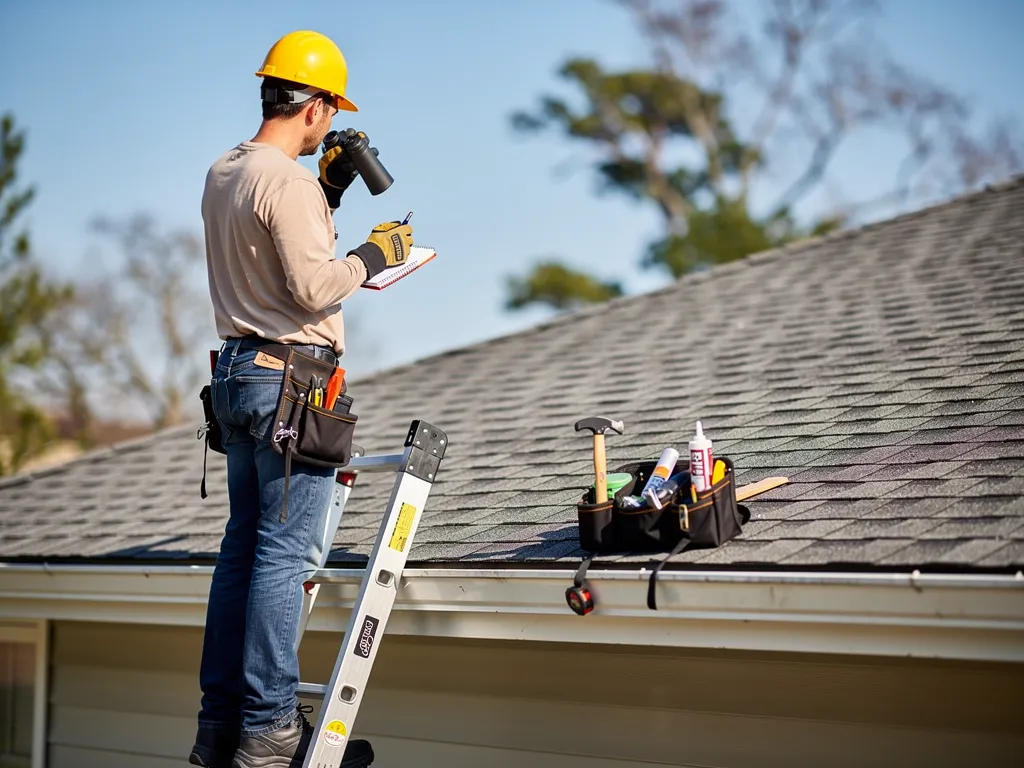
A basic toolkit, a safety plan, and a clear understanding of what to inspect answer the question directly. Homeowners don’t need professional gear to begin protecting their roof investment, but they do need the right mindset. Skipping preparation turns a simple maintenance task into a hazard or, worse, a missed warning sign that shortens a roof’s usable life.
Before climbing a ladder, a homeowner should gather a short list of essentials:
A sturdy, properly footed ladder and non-slip shoes
Binoculars for ground-level inspections when climbing isn’t safe
A garden hose for testing drainage and checking gutters
A notepad or phone camera to document cracked, curling, or missing shingles
Contact information for a trusted roofing professional for anything beyond a visual check
Is Professional Help Necessary for Roof Maintenance?
Not every inspection requires a professional, but certain tasks do. ZBA Exteriors brings more than 25 years of roofing experience to help homeowners build a maintenance routine backed by quality workmanship and professional installation. That kind of experience matters most when a homeowner spots damage but isn’t sure whether it’s cosmetic or structural.
Why Does Preparation Matter So Much?
A full roof replacement can run as high as $30,000 or more, making a modest investment in preparation and routine checkups the smarter financial move. For homeowners near Royersford, PA, ZBA Exteriors remains a local resource for maintenance support, offering guidance before small issues become expensive ones. Beautiful exteriors start with us.
How Do You Inspect Your Roof and Attic for Damage?
A proper roof inspection begins indoors, not on the ladder. Checking the attic and ceiling first reveals early warning signs long before a problem reaches the shingles outside. This sequence forms a core part of learning how to extend roof lifespan. Small leaks caught early rarely turn into structural repairs.
The attic tells homeowners what the roof surface cannot. Water stains, damp insulation, or musty odors near skylights often point to a leak that needs attention before it spreads. Missing this step means a homeowner may not notice trouble until ceiling damage or mold appears.
Follow this sequence for a thorough check:
Climb into the attic during daylight hours and look for beams of light coming through the roof deck.
Inspect insulation for damp or discolored patches, particularly around skylights and vent pipes.
Check ceilings throughout the home for brown or yellow staining.
Move outside and scan the roofline from the ground for sagging, missing shingles, or debris buildup.
Note any concerns and schedule a professional evaluation for anything beyond a simple visual check.
What Should Homeowners Do If They Find Water Stains?
Water stains signal that moisture has already penetrated the roofing system, so waiting rarely helps. A qualified exterior contractor should assess the source, since staining near skylights often traces back to failed flashing rather than the shingles themselves.
How Often Should the Attic Be Checked?
A seasonal check, ideally each spring and fall, catches issues before winter or summer weather makes them worse.
ZBA Exteriors’ team brings craftsmanship to roofing, siding, gutters, and every system that guards a home’s exterior. When an inspection turns up a concern, ZBA Exteriors provides professional exterior solutions built to protect the home and give homeowners a trusted point of contact for repairs.
How Do You Clean, Trim, and Clear Your Roof?
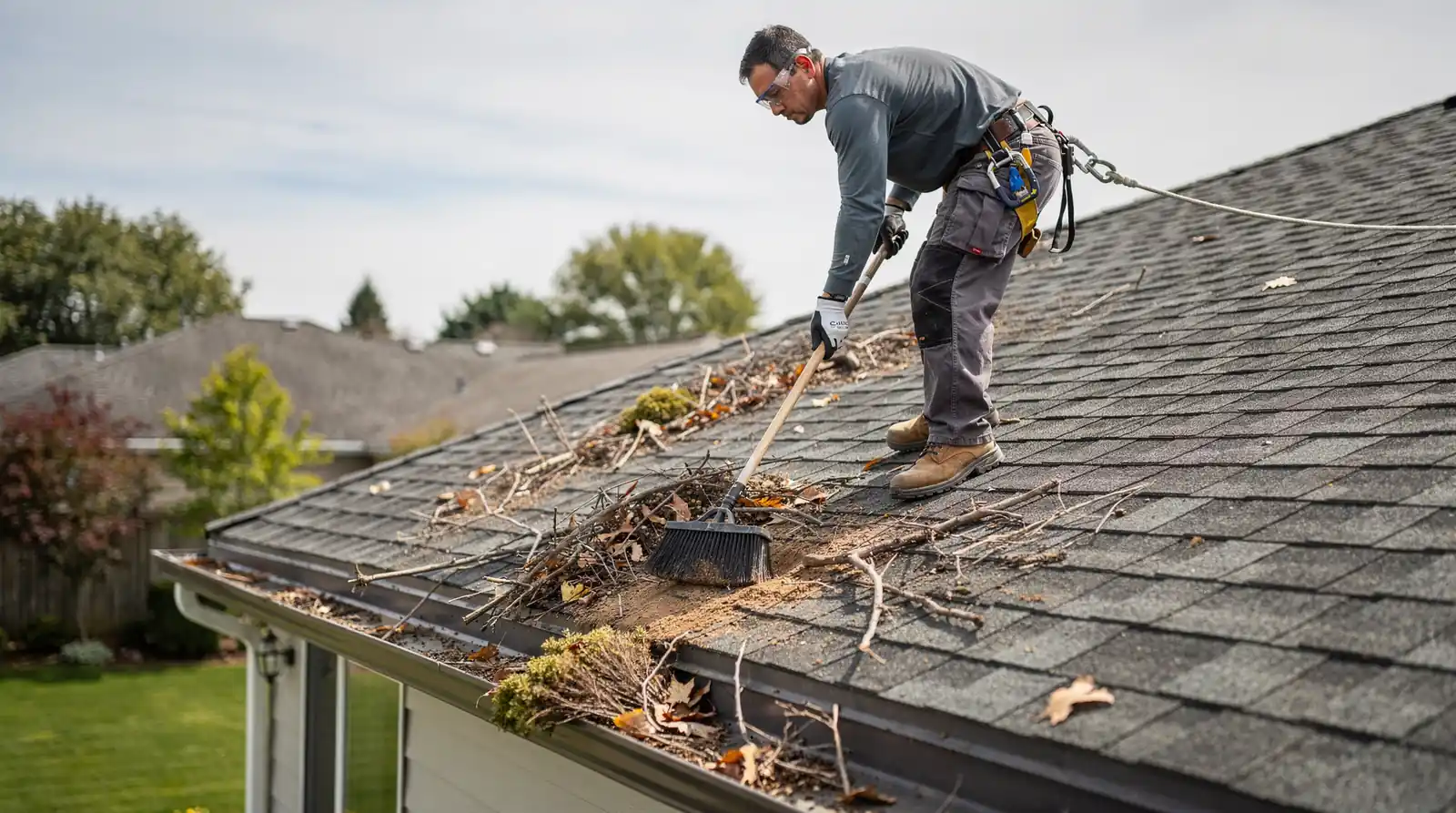
Clean roofs shed water efficiently, resist moss growth, and hold up longer against seasonal storms. A shingle roof works constantly as the home’s first line of defense against rain, wind, snow, and heat. Debris buildup weakens that barrier faster than most homeowners realize. Learning how to extend roof lifespan starts with a simple, repeatable clearing routine rather than expensive equipment or specialty products.
Follow these steps each season to keep a roofing system performing as intended:
Remove leaves, branches, and granule debris from the roof surface using a soft-bristle broom or leaf blower.
Trim overhanging tree limbs back several feet from the roofline to reduce shade, moisture retention, and falling debris.
Clear gutters and downspouts of clogs so water drains away from the roof deck and fascia instead of pooling.
Check valleys and low slopes, areas where debris collects fastest, for standing moisture after rainfall.
Sweep off snow accumulation promptly during winter months to prevent added weight on the structure.
Consistent upkeep across roofing, siding, and gutters works best as a coordinated system rather than isolated tasks. A roof cleared of debris but paired with clogged gutters still risks water backup and rot, which is why exterior components need attention together rather than in isolation.
How Often Should a Roof Be Cleaned?
Most homeowners benefit from inspecting and clearing the roof twice yearly, typically in spring and fall, with additional checks after major storms. Properties surrounded by mature trees often need more frequent attention since falling branches and leaf litter accumulate faster.
Can Tree Trimming Really Prevent Roof Damage?
Yes. Overhanging branches scrape shingle surfaces during wind events and drop debris that traps moisture against the roof deck. Regular trimming reduces both physical abrasion and the organic buildup that invites algae and rot over time. Decades of roofing craftsmanship confirm that a well-maintained exterior, including trimmed trees and clear gutters, keeps every layer of the home’s protection system working as intended: beautiful exteriors, zero hassle.
When Should You Repair Small Issues or Call a Pro?
Small roofing issues deserve immediate attention, while structural or widespread damage calls for professional evaluation. A cracked tile or a missing shingle, left unaddressed, rarely stays a small problem for long. These minor defects snowball into leaks, structural damage, or mold growth, turning a quick fix into a major expense.
Homeowners can handle certain tasks alone. Clearing debris, checking for loose granules, or spotting obvious cracks during a routine walk-around falls within reach for most people. But once damage extends beneath the surface or spans multiple areas of the roof, the project shifts from DIY territory into professional territory.
How do homeowners know when a roof problem is too big to fix alone?
Warning signs include sagging sections, water stains spreading across the ceiling, or shingles that have curled, buckled, or gone missing in clusters. Any of these signals point to damage beneath the visible surface. At that stage, a professional maintenance inspection identifies the full scope of the problem before it worsens.
Who should homeowners near Royersford call for roof repairs?
Homeowners near Royersford, PA can turn to ZBA Exteriors once an inspection uncovers damage beyond a simple patch job. The company provides professional exterior solutions designed to protect, improve, and add long-term value to the home. That reliability matters most when a small issue has already progressed into something more serious.
A practical rule applies here: repair what’s visible and simple right away, and schedule a professional inspection for anything structural, recurring, or unclear. Beautiful exteriors. Zero hassle. That standard, applied consistently, keeps roofs performing and homeowners protected for years to come.
What Mistakes Cut a Roof’s Lifespan Short?
Neglect shortens a roof’s service life faster than weather ever does. Small oversights, left unchecked, turn into leaks, rot, and replacement bills that proactive care could have avoided entirely.
Consistent, knowledgeable maintenance adds years, sometimes decades, to a roof’s lifespan and saves homeowners thousands of dollars in premature replacement costs. Skip that maintenance, and the opposite happens: minor wear compounds into structural damage that no amount of patching can fully reverse. The homeowners who extend a roof’s lifespan successfully treat upkeep as a schedule, not an afterthought.
The costliest mistake homeowners make is skipping professional maintenance checks altogether. ZBA Exteriors’ commitment to delivering durable exterior solutions across roofing, siding, gutters, and more exists precisely because DIY glances from the ground miss what trained eyes catch on the roof deck itself.
Common mistakes that cut lifespan short include:
Ignoring minor granule loss or curling shingles instead of scheduling a repair.
Relying only on visual inspections from the yard rather than a hands-on assessment.
Delaying gutter and drainage checks until water damage appears indoors.
Treating maintenance as a one-time task instead of a recurring schedule.
Does an Occasional DIY Fix Replace Professional Roof Maintenance?
No. ZBA Exteriors brings more than 25 years of roofing experience to every project. That track record reflects a simple truth: consistent professional oversight outperforms occasional patch jobs. Reliable exteriors come from quality workmanship and scheduled attention, not sporadic fixes after damage already appears.
FAQ
What tools do you need before starting roof maintenance?
A sturdy ladder with non-slip shoes, binoculars for ground-level checks, a garden hose for testing drainage, a notepad or phone camera for documenting damage, and contact information for a trusted roofing professional.
Do you need a professional for roof maintenance?
Not every inspection requires one, but certain tasks do. ZBA Exteriors brings over 25 years of roofing experience to help homeowners determine whether spotted damage is cosmetic or structural.
What should you do if you find water stains in your attic?
Water stains mean moisture has already penetrated the roofing system, so waiting rarely helps. A qualified exterior contractor should assess the source, since staining near skylights often traces back to failed flashing.
Conclusion
In closing, consistent roof maintenance protects your investment and extends the life of your home’s most critical defense against the elements. By addressing minor issues promptly, clearing debris regularly, and scheduling professional inspections, you preserve your roof’s integrity for years to come. These proactive steps deliver peace of mind and long-term value, ensuring your exterior remains strong and reliable through every season.