
Top Benefits of Installing Solar Panels on Your Home: Save Money and Go Green!
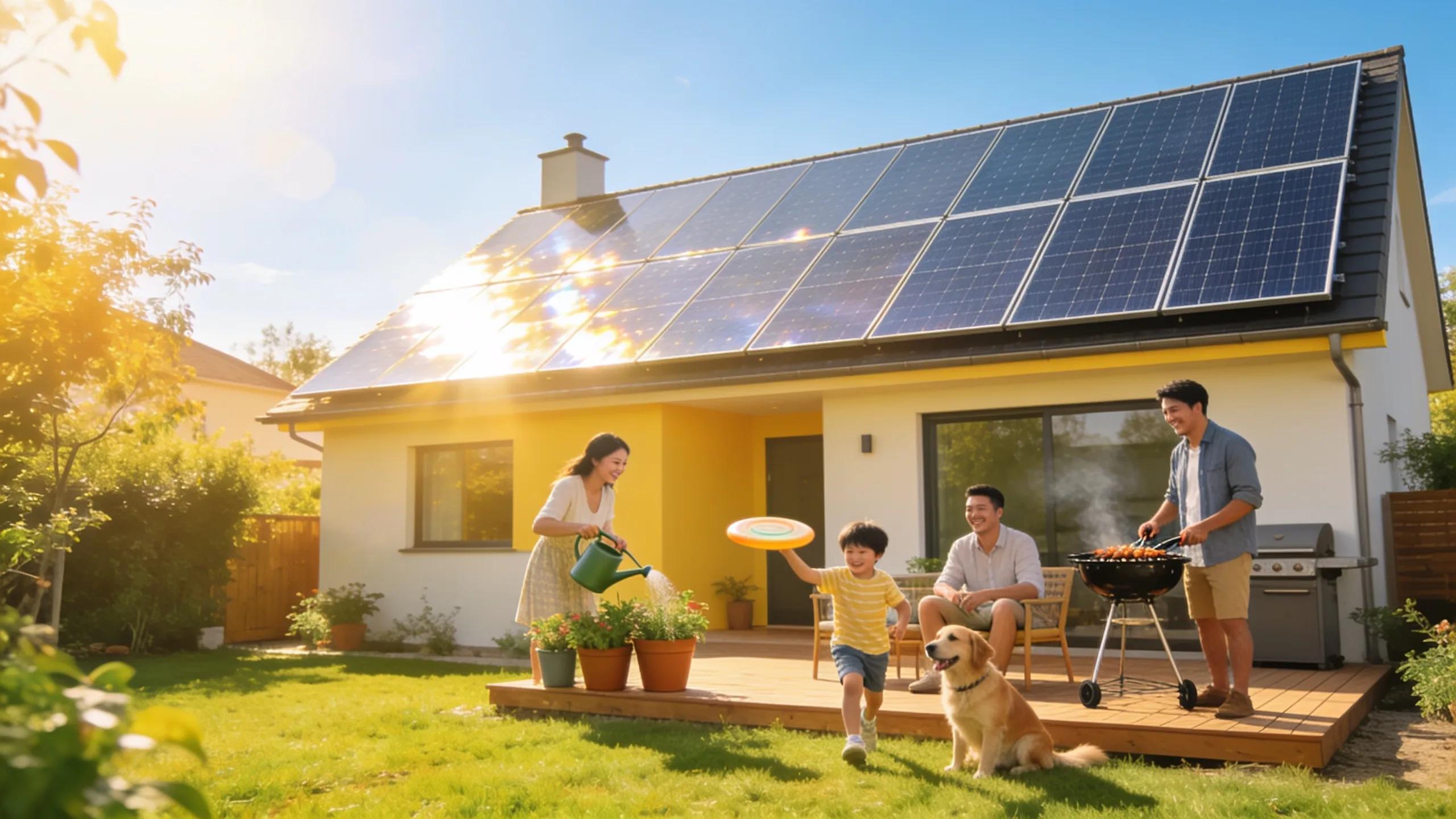
Installing solar panels on your home delivers more than lower electricity bills. As technology improves, homeowners gain real savings, access to tax incentives, and a smaller environmental footprint. This guide outlines the main benefits of going solar, showing how it supports both your finances and a greener lifestyle. Many homeowners choose solar to curb rising energy costs and help protect the environment. By switching to solar, you can cut utility expenses while investing in a reliable renewable energy source. Below we cover potential savings from tax credits, environmental upsides, what to expect during installation, and basic maintenance. For end-to-end help, specialized solar services can simplify the process.
How Much Can You Save with Solar Panel Tax Credits and Incentives?
Tax credits and incentives can lower your upfront installation cost and shorten the payback period. Claiming available incentives often makes your solar investment pay off faster. This section reviews common federal, state, and local savings options for residential systems.
What Solar Tax Credits and Rebates Are Available for Homeowners?
Several credits and rebates help cut the initial cost of a home solar system. The main options include the federal solar tax credit plus state and local programmes that can add further savings.
- Federal Solar Tax Credit: Homeowners may claim a tax credit amounting to 30% of the total installation cost of solar energy systems. This credit is applicable to both residential properties and for some business projects, significantly reducing the effective cost of going solar. The percentage remains 30% through the end of 2032, after which it is scheduled to decrease in 2033.
- State Incentives: Many states offer their own rebates, adding further savings. For instance, states like California and New York provide substantial rebates and performance-based incentives to encourage solar energy adoption.
- Local Rebates: Various utility companies also offer local incentives to homeowners who invest in solar. Programs may vary by state and locality, facilitating enhanced savings for customers looking to transition to solar energy.
Knowing which incentives apply lets you estimate the real cost of going solar and plan your budget more accurately.
How Do Tax Credits Reduce Your Solar Power Installation Costs?
Tax credits cut the federal tax you owe, which directly reduces the net cost of a solar system. They make investing in renewable energy more affordable for many homeowners.
- Immediate Cost Reduction: By subtracting the tax credit amount from the installation costs, homeowners can see substantial reductions in their initial investment. For example, if a solar system costs $20,000, a 30% tax credit would effectively lower the cost to $14,000.
- Improved Cash Flow: Lower upfront costs mean improved cash flow for homeowners who may fund their installation through savings. By claiming tax credits as soon as they are available, homeowners can reinvest those savings into their household.
- Encouraging Investment in Green Technologies: Tax incentives stimulate the renewable energy sector by encouraging homeowners to invest in solar energy. This ultimately benefits both individual households and community efforts toward sustainability.
What Are the Key Financial Benefits of Home Solar Panel Installation?
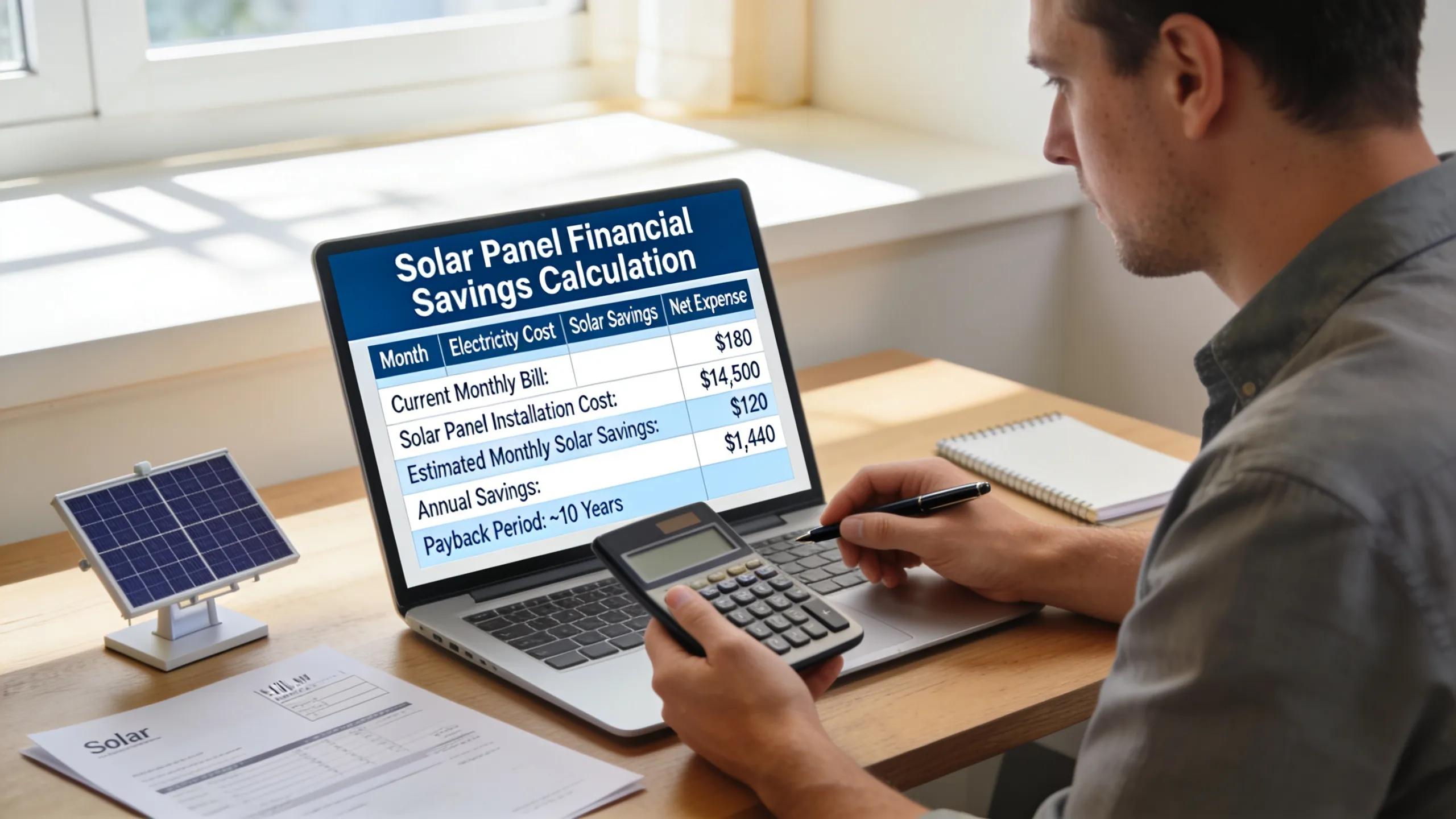
The financial upside of solar is clear: lower bills, tax breaks, and long-term savings that often outweigh the initial cost. These gains extend beyond one-time rebates.
How Do Solar Panels Lower Your Electricity Bills?
Solar panels generate power for your home, cutting the amount you buy from the grid and stabilising your energy costs as prices rise.
- Net Metering: Many states implement net metering policies that allow homeowners to sell excess solar energy back to the grid. This capability can lead to further savings and potentially offset the entire electricity bill.
- Decreased Dependency on Utility Providers: Generating one’s electricity diminishes reliance on local utility companies and shields homeowners from fluctuating power rates.
- Long-term Savings: Over time, the investment in solar panels pays off through lower monthly bills and energy independence. Homeowners can expect to save thousands throughout the lifespan of the system, often recouping their initial investment within 5 to 10 years depending on local energy prices and installation costs.
What Is the Return on Investment and Payback Period for Solar Energy Systems?
Solar systems often deliver strong returns and a reasonable payback window, improving your household’s financial outlook over the system’s life.
- ROI: Homeowners can expect an impressive ROI when they invest in solar energy, with many systems yielding returns of 12% to 20% per year. This figure often surpasses conventional investment returns.
- Payback Period: The typical payback period for residential solar installations ranges from 5 to 10 years, depending on various factors such as energy costs, system size, and available incentives. Once the payback period is reached, homeowners essentially enjoy free electricity for the remainder of the system’s lifespan, which can last 25 years or more.
- Increased Home Value: Homes equipped with solar systems often see increases in property values by around 4% to 6%, according to industry studies. Increased demand for energy-efficient homes contributes to better resale prospects.
How Does Installing Solar Panels Benefit the Environment and Promote Renewable Energy?
Switching to solar cuts greenhouse gas emissions and supports cleaner energy production—benefits that reach beyond your home.
In What Ways Do Solar Panels Reduce Your Home’s Carbon Footprint?
Solar systems reduce reliance on fossil fuels and lower the pollutants your household contributes to the atmosphere.
- Reduction in Pollutants: Utilizing solar energy diminishes reliance on fossil fuels, which are major contributors to air pollution. By transitioning to renewable energy, households contribute to improved air quality.
- Lower Carbon Dioxide Emissions: Research indicates that solar energy can prevent substantial CO2 emissions; for example, an average residential solar system can offset about 100 tons of CO2 over 25 years, equivalent to planting approximately 2,500 trees.
- Sustainable Development: Adopting solar energy encourages a shift toward sustainable development practices, motivating homeowners to consider additional environmentally conscious decisions.
Why Choose Renewable Energy Home Solutions for a Greener Future?
Choosing renewable solutions helps fight climate change, supports local jobs, and readies your home for future energy advances.
- Sustainability Commitment: By opting for renewable energy solutions, homeowners actively participate in the global movement toward reducing fossil fuel reliance and mitigating climate change impacts.
- Community Benefits: Implementing solar energy systems supports local economies and job creation associated with solar installation and maintenance.
- Future-ready Homes: As energy technology continues to evolve, homes equipped with solar panels position themselves to adapt to future advancements in energy solutions.
What Is the Home Solar Installation Process and What Should Homeowners Expect?
Knowing the installation steps helps you plan and sets realistic expectations. The process follows a clear sequence from assessment to activation.
What Are the Step-by-Step Procedures for Installing Solar Panels on Your Roof?
Professional installation follows defined stages, ensuring the system meets your needs and local codes.
- Initial Consultation: Homeowners meet with solar energy specialists to assess their energy needs and determine system specifications compatible with their roof.
- Design Phase: Custom designs are created, integrating the selected solar panel types and system layouts to maximize efficiency.
- Permitting and Inspection: Before installation, necessary permits are secured, and inspections are performed to comply with local ordinances.
- Installation: Experts install solar panels on the roof or property, along with any accompanying electrical systems and inverters.
- Final Inspection and Activation: Once installation is complete, final inspections are conducted to ensure compliance with safety regulations before activating the solar system.
How Does ZBA Exteriors Integrate Solar Installation with Roofing and Siding Services?
ZBA Exteriors combines solar, roofing, and siding work so projects run smoothly and the home looks cohesive. Their combined approach helps protect your investment and simplifies scheduling and warranties.
- Holistic Solutions: By managing both roofing and solar projects, ZBA Exteriors ensures that installations are seamless and that the aesthetics of the home are maintained.
- Warranty and Maintenance: Clients benefit from warranties that cover both their roof and solar systems, providing peace of mind with their installation.
- Expertise Across Disciplines: Team expertise facilitates more informed decision-making and allows homeowners to address multiple home improvement needs with a single trusted partner.
How Can You Maintain Solar Panels to Ensure Long Lifespan and Maximum Savings?
Regular upkeep keeps your system efficient and extends its life. Simple checks and occasional professional service protect your savings.
What Are Common Maintenance Tips for Residential Solar Energy Systems?
Stick to a maintenance routine to preserve output and catch issues early. Key actions include cleaning, inspections, and monitoring.
- Regular Cleaning: Keeping solar panels clean and free from debris can increase energy absorption. Homeowners should inspect panels after substantial storms or falling leaves.
- Scheduled Inspections: Annual professional inspections ensure that the panels are functioning correctly and help identify potential issues early.
- Monitor Energy Output: Homeowners should regularly check their system’s energy output levels to ensure optimal performance. Many modern systems have monitoring tools that allow easy tracking.
How Long Do Solar Panels Last and When Should You Plan for Replacement?
Most panels last 25–30 years. Watch for steady performance drops or storm damage as signs you may need repairs or replacement, and consider upgrades when new, more efficient options become available.
- Performance Degradation: Solar panels typically lose efficiency gradually over time, with many sustaining around 80% of their efficiency after 25 years. Homeowners should consider replacement if performance dips significantly.
- Physical Damage: Maintain vigilance for physical damage caused by extreme weather, which may necessitate earlier replacement.
- Technological Advancements: As solar technology evolves, homeowners may choose to upgrade older systems to benefit from improved efficiency and features.
How Does Solar Power Installation Impact Your Home’s Value and Appeal?
Adding solar can boost your home’s market appeal and often increases property value, making it an attractive long-term investment.
Can Solar Panels Increase Your Home’s Market Value?
Solar-equipped homes tend to sell faster and at higher prices because buyers value lower operating costs and energy efficiency.
- Attractive to Buyers: Many buyers today seek energy-efficient homes, making solar installations a selling point in a competitive market.
- Potential ROI on Sale: Studies suggest that homes equipped with solar panels have a higher resale value, often substantially recouping installation costs during property sales.
- Compliant with Energy Standards: Compliance with energy-saving measures and local ordinances may further increase desirability among prospective buyers.
What Homeowner Testimonials and Case Studies Show the Value of Solar Energy?
Local case studies and testimonials highlight real savings and satisfaction, showing how solar has reduced bills and supported homeowners’ sustainability goals.
- Case Studies: Detailed examples of local homeowners who have transitioned to solar ecosystems showcase ongoing savings and satisfaction.
- Testimonials: Loyal customers often note how solar energy has transformed their energy bills and environmental contributions, enhancing their overall quality of life.
Solar installation delivers homeowner savings, lifestyle benefits, and environmental gains that ripple through communities. These advantages make switching to solar a meaningful move toward a more sustainable future.
Frequently Asked Questions
1. What are the typical costs associated with installing solar panels?
Costs vary by system size, panel type, installation complexity, and location. On average, homeowners may pay about $15,000 to $25,000 before tax credits or incentives. Get local quotes and weigh long-term energy savings to judge the investment.
2. Are there financing options available for solar panel installations?
Yes. Options include solar loans, leases, and power purchase agreements (PPAs). Loans let you own the system and claim tax credits; leases and PPAs reduce upfront costs. Compare terms and local programmes to find the best fit.
3. How can I determine if my roof is suitable for solar panel installation?
Assess roof age, pitch, orientation, and shading. A south-facing roof with minimal shade and a remaining lifespan of 25 years or more is ideal. A professional installer can give a full evaluation.
4. What happens if my solar panels generate more energy than I consume?
Excess energy is often sent back to the grid via net metering, earning credits or compensation from your utility. Those credits help offset future bills—check your local net metering rules for specifics.
5. Do I need to obtain permits to install solar panels on my home?
Yes. Permits and inspections vary by locality and ensure installations meet safety and building codes. Reputable installers usually manage permits and inspections for you.
6. Are solar panels effective in areas with cloudy or rainy weather?
Yes. Panels still generate power from diffuse sunlight, though output is lower on cloudy or rainy days. Modern systems and net metering help balance production during low-sun periods.
7. What incentives exist for low-income households seeking solar energy?
There are federal, state, and local programmes that provide grants, subsidised loans, and reduced-cost installations for qualifying low-income households. Community organisations also offer assistance—check local resources for available help.
Conclusion
Installing solar panels cuts energy bills, unlocks tax incentives, and reduces your carbon footprint. This choice strengthens household finances and supports a cleaner future. To begin your solar journey, explore our comprehensive solar services and see how they fit your home and goals.