
Siding Lifespan: How Long Will Your New Siding Last and Its Maintenance Needs?
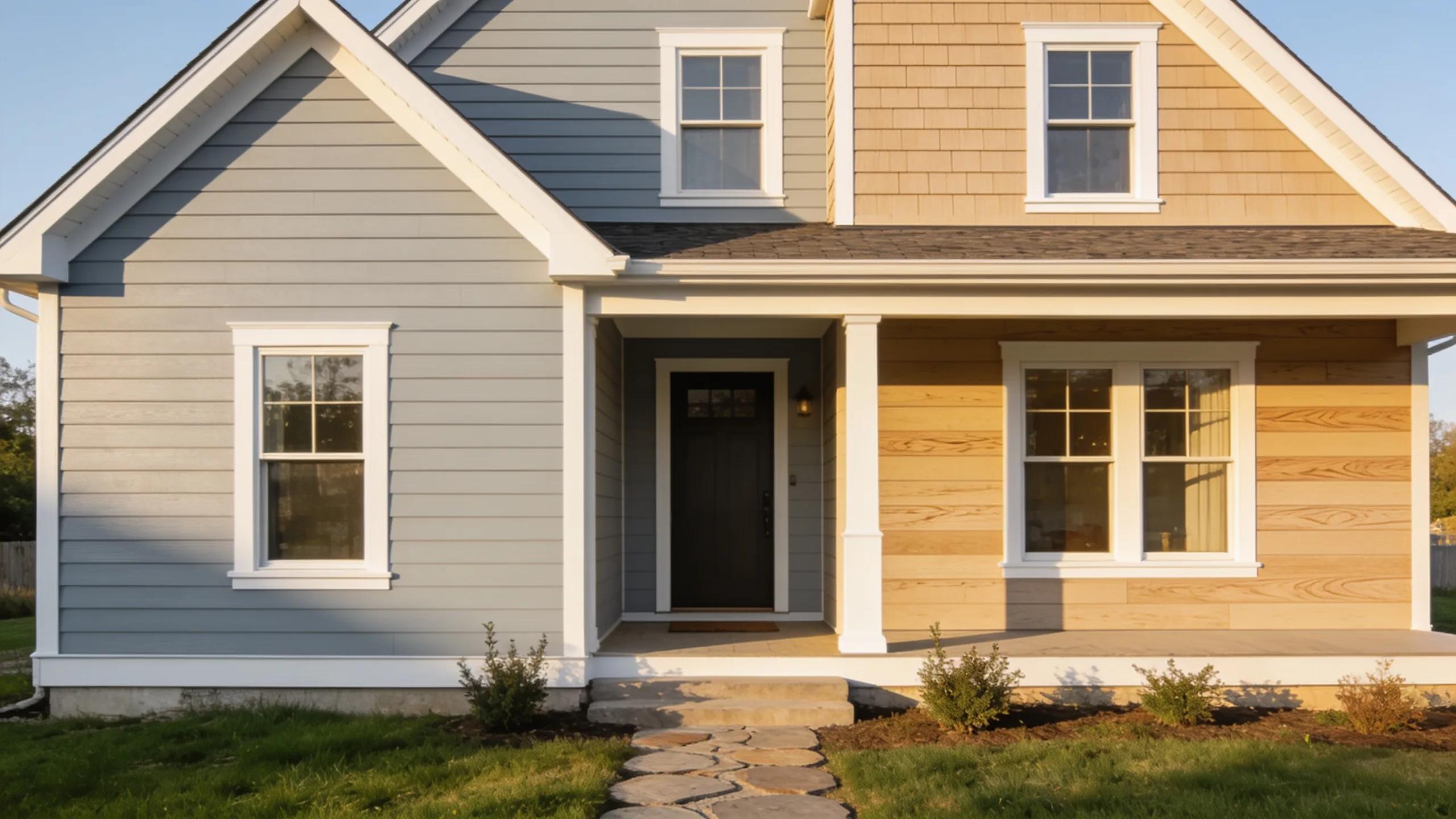
Choosing siding affects both your home’s appearance and how long the exterior will last. Lifespans differ by material, climate, and maintenance. This guide gives homeowners clear expectations for common siding types and the care they require so you can choose wisely and keep your siding durable.
Below we cover expected lifespans, maintenance steps to extend life, repair and replacement signals, how New Jersey weather matters, and practical tips from experts.
What Are the Expected Lifespans of Different Siding Materials?
Siding life depends on the material and the conditions it faces. Knowing typical lifespans helps homeowners pick the right option for their property.
After assessing various materials, vinyl siding typically lasts 20–40 years with proper care. Fiber cement generally lasts 30–50 years thanks to its robust composition and resistance to weather damage.
How Long Does Vinyl Siding Typically Last?
Vinyl siding usually lasts 20–40 years. Installation quality and regular upkeep are key. Routine cleaning and inspections can extend its life. When cared for, vinyl remains attractive and functional well into its third decade, making it a cost-effective exterior choice.
What Is the Durability of Fiber Cement Siding?
Fiber cement is more durable than vinyl. Made from sand, cement, and cellulose, it stands up to temperature swings and moisture. With proper maintenance, fiber cement can exceed 50 years. It resists pests, rot, and warping, so it performs well in varied climates with relatively low upkeep.
What Routine Maintenance Does Your Siding Require to Maximize Lifespan?
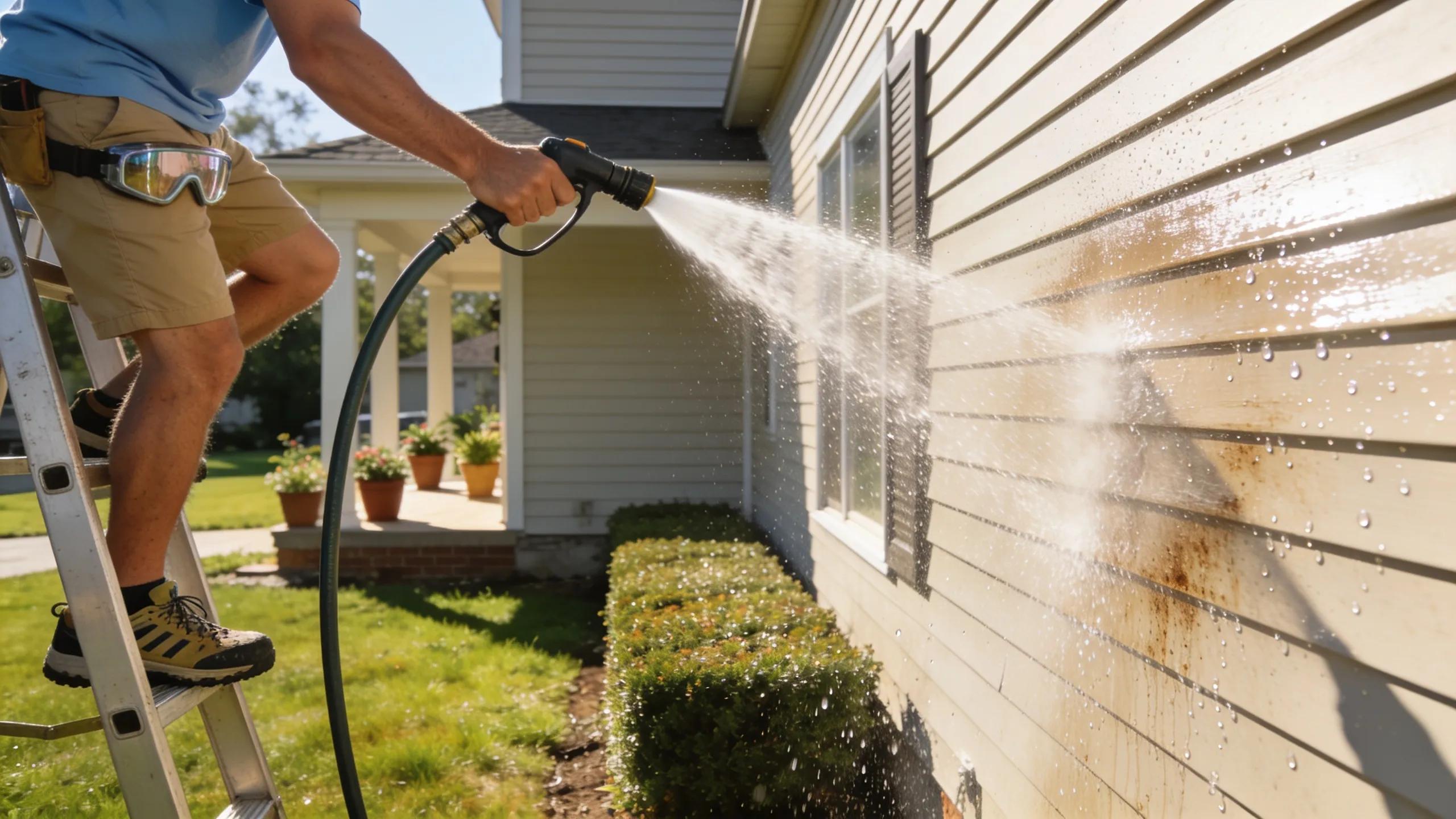
Regular maintenance is essential to keep siding performing. Each material needs specific care to preserve durability and appearance.
Maintenance means scheduled cleaning, inspections, and prompt repairs. Catching issues early prevents costly fixes and extends the siding’s service life.
How Often Should You Clean and Inspect Your Siding?
Aim to clean siding at least once a year, adjusting for local conditions. Inspect while cleaning for mold, mildew, and physical damage. Use a hose or a pressure washer carefully to avoid harming the material.
When and How Often Do You Need to Paint Your Siding?
Painting frequency depends on the material. Vinyl usually needs a refresh every 10–15 years due to better colour retention. Fiber cement typically requires repainting every 5–10 years, especially in severe climates. Peeling or fading paint signals the need for a new coat.
What Are the Common Signs That Your Siding Needs Repair or Replacement?
Spotting damage early prevents larger issues. Watch for clear indicators that siding requires repair or replacement.
Common signs include cracks, warped panels, or moisture problems like mold and mildew. Discolouration or detached sections also mean a full assessment is needed.
How to Identify Damage and Wear on Vinyl and Fiber Cement Siding?
For vinyl, check for cracks and warping from extreme heat. For fiber cement, look for cracks or loose sections after moisture changes. Any gaps or loose areas can let water in and cause further damage.
What Is the Typical Cost Range for Siding Repair or Replacement?
Costs vary by siding type and the extent of damage. On average, repairs may cost between $300 and $1,200, while full replacement can range from $7,000 to $15,000 depending on material and square footage. Include these figures when planning maintenance and budgeting.
How Does New Jersey’s Weather Impact Siding Durability and Maintenance?
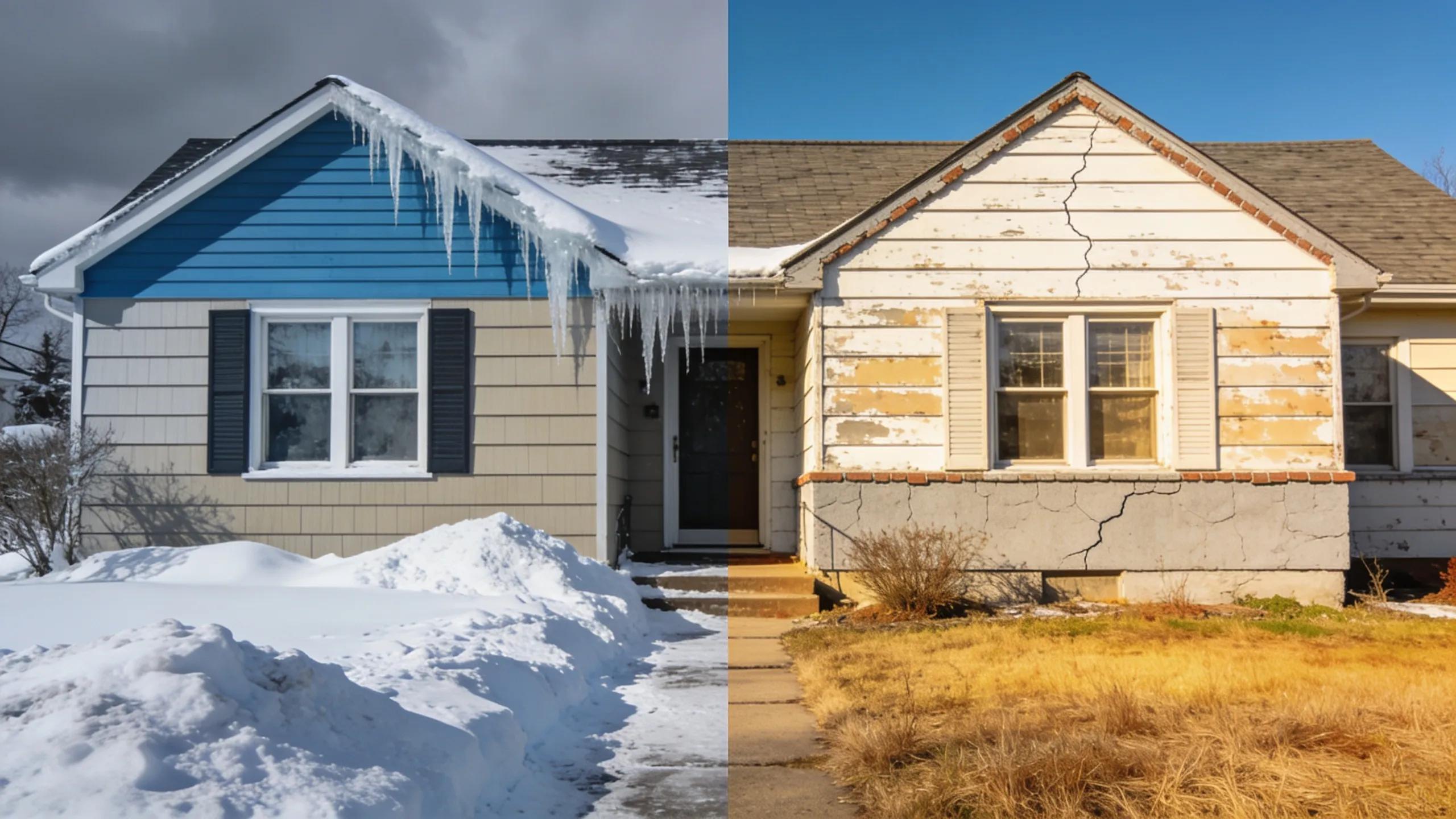
New Jersey’s varied weather affects siding longevity. Humidity, snowfall, and temperature swings all influence performance and care needs.
Both vinyl and fiber cement resist many elements, but prolonged exposure to extremes can reduce durability. Homeowners should tailor maintenance to local conditions. For expert guidance, consult the comprehensive services offered by ZBA Exteriors.
What Weather Conditions Affect Vinyl and Fiber Cement Siding in New Jersey?
Hot summers and cold, snowy winters place stress on siding. Vinyl can warp in high heat, while fiber cement may crack during freeze-thaw cycles. Inspect siding after severe weather for any issues.
How to Adapt Your Siding Maintenance Routine for Local Climate Challenges?
To handle New Jersey’s climate, use these maintenance strategies:
- Seasonal Inspections: Increase inspection frequency before and after winter and summer seasons.
- Enhanced Cleaning: Adapt cleaning practices based on pollen and snow conditions in spring and winter.
- Preventative Treatments: Apply protective coatings or sealants specific to material type to preserve siding integrity.
Being proactive helps manage damage from temperature swings and seasonal challenges.
How to Choose the Right Siding Material for Longevity and Maintenance Ease?
Choose siding by weighing weather resistance, maintenance needs, and cost-effectiveness.
Compare aesthetics and function. Some materials perform better in certain environments, while others demand more frequent upkeep.
What Factors Should Homeowners Consider When Selecting Siding?
Consider these key factors:
- Durability: Assess how each siding material stands up to local climate conditions.
- Maintenance: Consider how much upkeep you’re willing to do over time.
- Cost: Evaluate both upfront and long-term costs associated with the material choice.
Balancing these points helps homeowners choose a siding type that meets long-term needs without unexpected repair costs.
How Do Costs and Maintenance Needs Vary Between Siding Types?
Options differ in cost and upkeep. Vinyl is generally more affordable and low-maintenance, while fiber cement has higher upfront costs but may save money long term through durability. Homeowners must consider both initial budgets and potential future expenses before deciding.
What Are Expert Tips for Extending Your Siding’s Lifespan?
Experts recommend routine care and quick repairs to extend siding life.
Keep a consistent maintenance schedule and use quality materials for repairs or replacements. Bring in professionals for major work to ensure the job is done correctly and the siding stays in top condition.
What Are Recommended Best Practices for Siding Care and Repair?
Use these practices to protect siding:
- Regular Cleaning: Commit to an annual cleaning schedule with appropriate methods for each material type.
- Prompt Repairs: Address any signs of damage immediately to prevent further issues.
- Quality Materials: Use high-quality paint or sealants during maintenance to provide a protective barrier.
Applied together, these steps lengthen siding life and improve resistance to the elements.
How Can Professional Services Enhance Siding Durability?
Hiring professionals improves durability. Experts ensure proper installation, which reduces future problems caused by poor workmanship. Companies like ZBA Exteriors provide material-specific advice and maintenance plans to help maximise lifespan and performance.
Frequently Asked Questions
What are the best types of siding for energy efficiency?
Energy-efficient siding helps keep indoor temperatures steady and lowers heating and cooling costs. Insulated vinyl is a strong choice for thermal performance and reduced energy loss. Fiber cement also insulates well when installed with proper house wrap or insulation. Factor in local climate and installation quality to get the best results.
How do I choose the right color for my siding?
Pick a siding colour based on your home’s style and the surrounding landscape. Warm colours feel inviting; cool tones give a modern look. Consider sun exposure and fading. Test samples in different lighting before deciding to ensure the colour works over time.
Can I install new siding over existing siding?
Often you can install new siding over existing siding to save time and labour. Make sure the existing siding is in good condition and free of rot, mould, or severe damage. Consult a professional to confirm feasibility and choose compatible materials for best results.
What maintenance is required for wood siding?
Wood siding needs regular upkeep. Paint or stain every 3–7 years to protect against moisture and pests. Inspect for rot or insect damage and ensure proper drainage around the home. Clean with mild soap and water to maintain appearance and integrity.
Is fiber cement siding more expensive than vinyl siding?
Yes. Fiber cement generally costs more upfront than vinyl because of its sturdy construction and longevity. Although vinyl is more affordable initially, fiber cement’s extended lifespan and lower maintenance can lead to savings over time. Compare both initial and long-term costs when choosing.
What should I do if my siding develops mold or mildew?
If you find mold or mildew, act quickly. For vinyl, a mix of water and mild soap or a specialised cleaner usually removes growth. Fiber cement may require a pressure washer for deeper cleaning. Follow material-specific guidance and consider a mould inhibitor after cleaning to help prevent recurrence.
How do regional climate factors influence siding choices?
Regional climate significantly affects siding selection. High-humidity areas benefit from rot-resistant materials like fiber cement or treated wood. Extreme temperatures may make insulated vinyl a better option for energy efficiency. Also weigh local storm frequency and snow loads, which influence durability and maintenance needs.
Conclusion
Knowing your siding’s lifespan and care needs helps protect its function and appearance. Whether you choose vinyl or fiber cement, regular upkeep extends life and reduces costly repairs. Stay informed and proactive to enjoy a durable exterior. For tailored advice and premium siding solutions, contact our experts today!